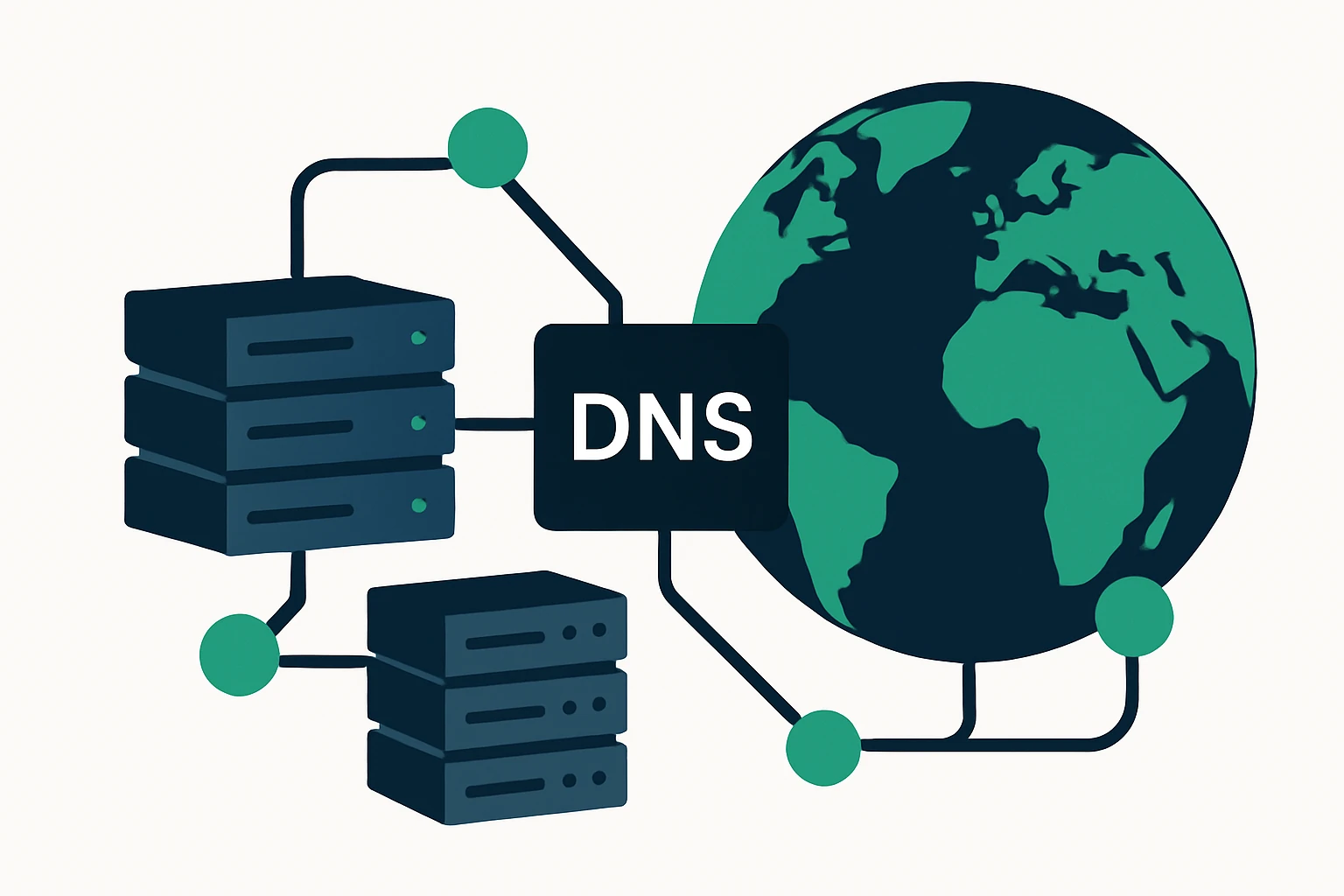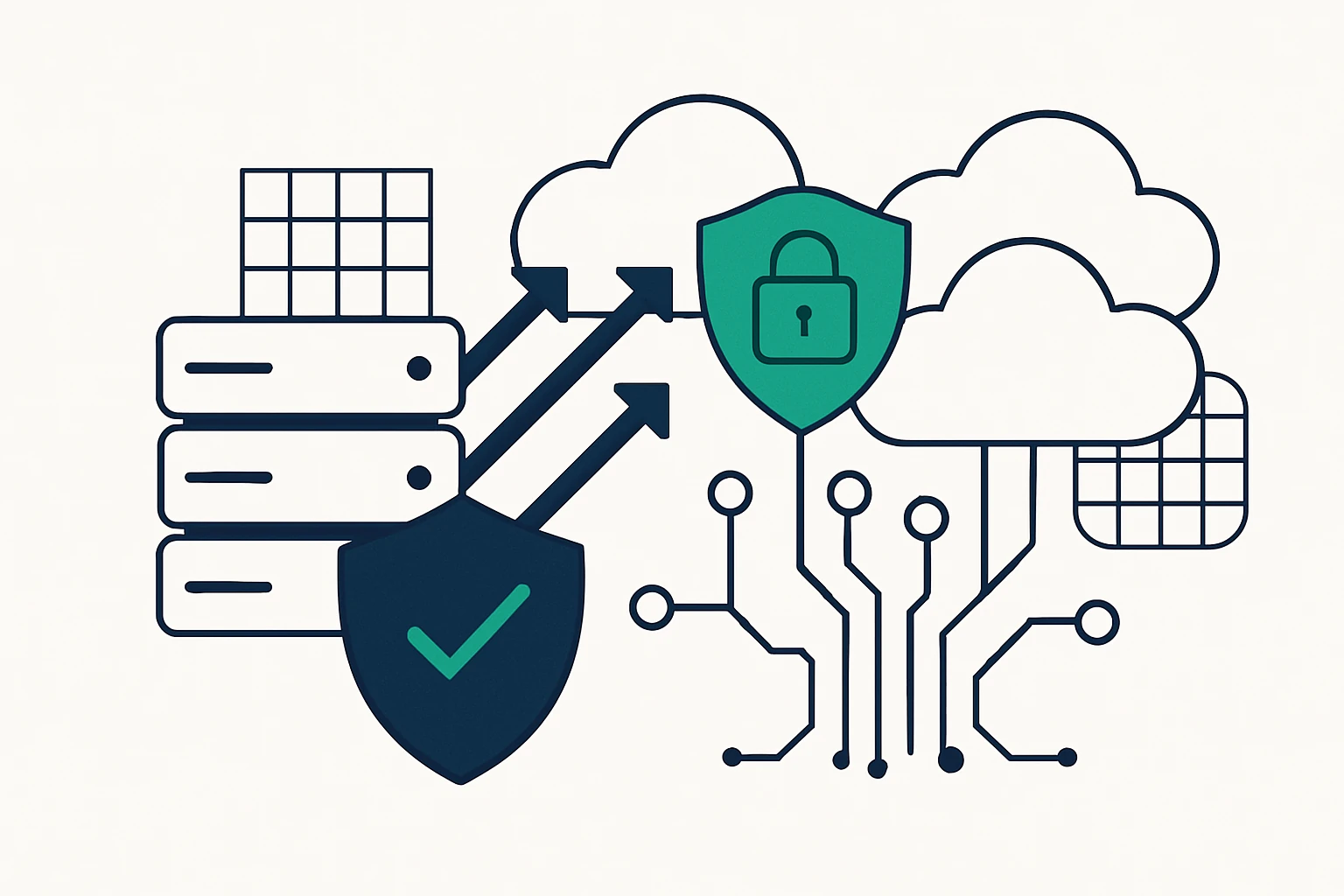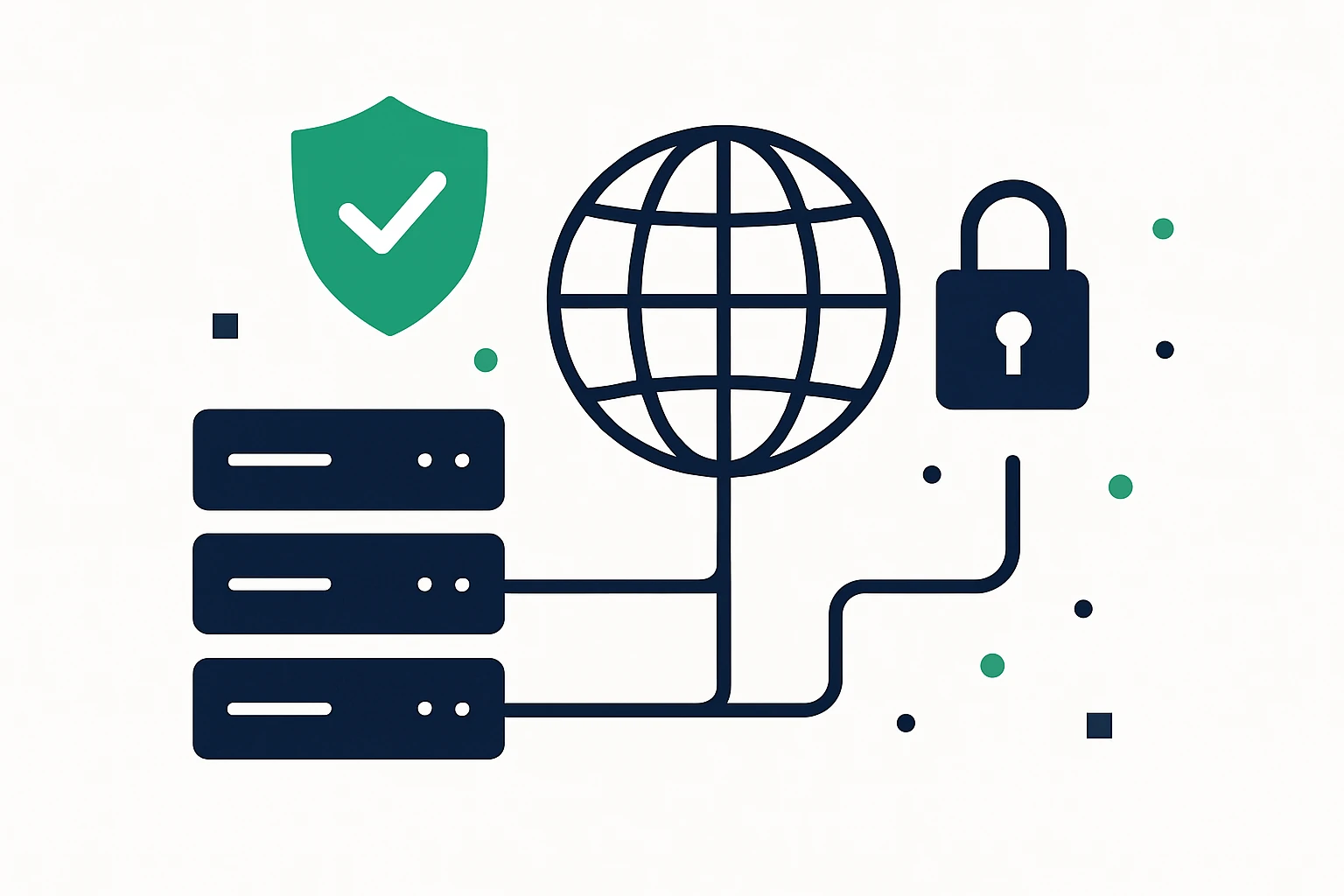
Enterprise-scale domain portfolios demand more than standard DNS provisioning. The DNS backbone must be resilient across a multitude of TLDs, support authoritative data with strong integrity guarantees, and align with security and compliance requirements that govern large organizations. This article presents a portfolio-first approach to DNS infrastructure engineering - one that treats each domain as a controllable asset within a multi-TLD landscape, while weaving in modern techniques such as DNSSEC, Anycast, and cloud-native DNS to achieve security, compliance, and high availability. This framing mirrors how leading organizations manage risk, scale, and governance across dozens or hundreds of domains. Source of truth: DNS is the foundational system that enables the Internet’s name resolution, and its proper operation is critical to business continuity. (icann.org)
1. The portfolio challenge: balancing scale, security, and compliance
For large brands and organizations, the value of a coherent DNS strategy lies in harmonizing control over a broad portfolio with the agility to onboard new domains, retire obsolete ones, and ensure consistent policy enforcement. A portfolio-focused view highlights several concrete challenges:
- Consistent authoritative DNS across multiple zones and TLDs, ensuring that changes propagate with predictable timing.
- Security and integrity of DNS data, especially when domain assets span regulated environments and require traceable change history.
- Global performance and resilience, so users reach the nearest and most reliable resolvers even during congestion or attacks.
- Regulatory alignment and auditability, including controls related to change management, monitoring, and incident response.
- Inventory management and lifecycle, including the ability to export and review domain lists by TLD for governance and risk assessment. For example, large portfolios often segment inventories by TLD such as .pk, .win, or niche domains, then create exportable lists to support due diligence and renewal workflows.
DNS is not just a routing layer - it underpins service availability, brand trust, and regulatory compliance. The Domain Name System is the backbone that makes human-friendly names work reliably on the Internet, a fact underscored by ICANN’s description of the DNS’s central role in the global Internet ecosystem. What is DNS? (icann.org)
2. Core architecture patterns for enterprise DNS
A robust enterprise DNS architecture blends authoritative data management with security controls, resilient delivery, and observable operations. Three patterns recur across mature implementations:
2.1 Authoritative DNS setup that scales with your portfolio
At the heart of any enterprise DNS stack is a carefully designed set of authoritative zones per domain or per group of domains. An authoritative DNS setup should support proper zone delegation, secure zone transfers, and rigorous access controls. In practice, this means implementing primary and secondary servers, consistent zone file versioning, and automated change workflows that reduce human error. The goal is to maintain accurate, mission-critical DNS data while enabling rapid, auditable updates across a diverse portfolio.
2.2 DNSSEC implementation: integrity and trust for the portfolio
DNSSEC adds cryptographic signatures to DNS data, enabling resolvers to validate responses and detect tampering. For enterprise portfolios, DNSSEC is less about visibility in a single domain and more about end-to-end trust across the ecosystem - registrars, registries, and resolvers all participate in ensuring data integrity. Enabling DNSSEC across zones in a controlled, automated manner reduces the risk of cache poisoning and data corruption that could impact large-scale domain operations. (How DNSSEC works: DNS data is signed, DS records are published at the parent zone, and resolvers validate responses against these signatures.)
From the perspective of security best practices, deploying DNSSEC is a meaningful step toward shoring up trust in enterprise DNS, and it is widely understood within the industry as a cornerstone of modern DNS security. Organizations implementing DNSSEC should plan for DS record management with their registrars and registries, and validate configurations with tests and visualization tools designed for DNSSEC health. Cloudflare: How DNSSEC works (cloudflare.com)
2.3 Anycast deployment: performance and resilience at global scale
Anycast routing is a foundational pattern for enterprise-grade DNS delivery. By advertising a single IP address from multiple, globally distributed locations, anycast lets client DNS resolvers reach the nearest operational server, reducing latency and improving resilience in the face of large-scale events or attacks. In practice, anycast is a common operating model among major DNS providers and cloud-native DNS services, and it is central to achieving high availability for portfolios that span dozens or hundreds of domains. As a reference point, industry guidance describes how providers use anycast to route queries to the closest functional resolver and to improve availability in distributed environments. Note: the precise routing behavior may vary by resolver and network topology. (docs.aws.amazon.com)
3. Cloud-native DNS as a backbone for portfolio management
Many enterprises adopt cloud-native DNS for scale, automation, and integration with cloud security and governance tooling. Cloud DNS architectures typically offer managed zones, policy controls, and API-driven change management that align with enterprise workflows. When integrating with a multi-TLD portfolio, a cloud-native approach can simplify domain provisioning, certificate management, and monitoring across the entire inventory. Enterprises often pair cloud-based DNS with robust security controls, including DNSSEC in the cloud provider’s managed DNS service and automated health checks for zone integrity.
Cloud-based DNS services also tend to provide global visibility into DNS health and performance, which is essential for proactive issue detection and remediation across many domains. The combination of authoritative DNS, DNSSEC, Anycast, and cloud-native delivery provides a coherent, scalable foundation for a large, standards-driven portfolio. For context on the broader DNS landscape and the fundamentals of DNS, ICANN offers a detailed explanation of the DNS’s workings and governance. The Domain Name System - ICANN (icann.org)
4. Portfolio management in practice: inventory, policy, and monitoring
Effective portfolio management requires disciplined inventory, policy enforcement, and continuous visibility. A practical approach blends manual governance with automation to maintain up-to-date domain data, enforce consistent DNSSEC and anycast configurations, and monitor health across the portfolio. A few concrete habits that tend to yield results include:
- Centralized inventory and lifecycle management for all domains, with periodic audits to identify stale or shadowed assets.
- Policy-based delegation and automated signing workflows, so new domains can be brought online quickly without sacrificing security or compliance.
- Regular health checks and monitoring dashboards that surface DNS availability, response integrity, and DNSSEC validation status.
- Auditable change-control processes that tie DNS updates to incident response plans and SOC2/ISO-aligned controls.
- Structured export of domain lists by TLD for governance reviews, renewal planning, and risk assessment. For example, many enterprises maintain exportable lists by TLD such as .pk, .win, or other strategic domains to support decision-making and compliance reporting. You can explore the PK inventories on the client’s PK TLD page at PK domain inventory and the broader portfolio at List of domains by TLDs.
Beyond internal governance, DNS security and reliability must align with regulatory expectations. DNSSEC adoption, change control, and activity monitoring are among the controls most commonly referenced in compliance frameworks that address data integrity and availability (for example, SOC 2 and ISO standards). The DNS’s central role in the Internet ecosystem is well documented by ICANN, which highlights the DNS’s importance to reliable Internet navigation and governance. ICANN: What DNS does (icann.org)
5. Limitations and common mistakes to avoid
Even with a strong architecture, there are common missteps that can undermine a portfolio’s reliability and security. Awareness of these pitfalls helps teams implement more robust controls from day one.
- Relying on a single DNS provider for all domains - this creates a single point of failure and can hinder multi-TLD governance. Diversification across providers and architectures is a risk management technique many enterprises apply.
- Delayed or incomplete DNSSEC adoption - partial signing or DS records misconfigurations can create false sense of security or break validation in the parent zone. A deliberate, staged rollout with validation runs reduces these risks. For context on DNSSEC and its role in security, Cloudflare provides a detailed explanation of how DNSSEC secures DNS data. Cloudflare: How DNSSEC works (cloudflare.com)
- Misalignment between DNS changes and change control - without auditable trails, it’s hard to demonstrate compliance during audits. Integrating DNS changes into broader governance workflows improves traceability and accountability.
- Underestimating monitoring and incident response - DNS health is dynamic, and outages can occur from misconfigurations, zone transfers, or registrar issues. Establishing baseline metrics and alert thresholds helps teams detect anomalies early.
6. A practical framework: DNS Portfolio Health Check
To make the above concepts actionable, consider a lightweight, repeatable framework that teams can apply quarterly or at major portfolio changes. The framework below is designed to be implemented with 2–3 external provider integrations and a tightly scoped internal workflow:
- Discovery and Inventory: Create and maintain a single source of truth for domains, with TLD categorization and renewal timelines.
- Authority and DNSSEC readiness: Verify each domain’s delegation chain and assess whether DNSSEC signing is active.
- Edge & Routing (Anycast): Confirm that the anycast network footprint covers your primary user bases and that health checks validate reachability from multiple regions.
- Monitoring & Compliance: Establish a baseline of DNS health metrics (latency, uptime, validation status) and connect to incident response and audit trails.
- Automation & Change Control: Use API-driven workflows and versioned zone files to minimize manual errors and improve reproducibility.
As a concrete example, a large enterprise portfolio may maintain a core inventory of domains on a private directory, while using public registries for others. The PK inventory page cited above illustrates how multi-TLD inventories are organized for governance and renewals, and how domain listings can be segmented for decision-making. For more on the PK and broader TLD portfolio, see PK domain inventory and List of domains by TLDs.
Conclusion: toward a mature, portfolio-aware DNS strategy
Enterprises that treat DNS as a portfolio asset - balancing authoritative data management, DNSSEC, Anycast, and cloud-native delivery - tend to achieve better uptime, stronger security, and clearer compliance visibility. The right architecture scales with your portfolio, supports rigorous governance, and helps you onboard new domains efficiently while retiring obsolete assets. While no single solution fits all organizations, a disciplined, portfolio-first approach provides a practical path to resilient DNS operations that align with both technical and regulatory expectations. For teams exploring the broader landscape of domain inventories and TLD-specific domains, the client’s PK and TLD pages offer concrete, real-world context for how portfolios are segmented and managed in practice: PK domain inventory and List of domains by TLDs.