Introduction: The challenge of modern enterprise DNS
For large organizations, the DNS stack is not just a routing table, it is a backbone for security, reliability, and regulatory compliance. Enterprises increasingly demand an integrated approach that combines authoritative DNS hosting, DNSSEC signing, resilient global delivery, and cloud-native architectures. The goal is clear: enterprise dns solutions that deliver trust, continuity, and visibility across multi-cloud and multi-provider environments. In this piece, we explore how to design and operate a next-generation DNS infrastructure that goes beyond ad-hoc provisioning, with a practical decision framework, real-world trade-offs, and a path to maturity.
What makes enterprise DNS different?
Small- to mid-sized sites can sometimes survive with a single provider and modest monitoring. For enterprises, the scale and risk profile demand:
- Global reach and low latency via resilient delivery platforms
- End-to-end authenticity of responses through DNSSEC
- Strong operational discipline: telemetry, audits, and incident response
- Transparent governance to satisfy compliance and vendor risk requirements
In practice, this means embracing a layered DNS architecture that spreads load, validates responses, and provides a clear line of sight into what is happening across zones and domains. DNSSEC, Anycast, and cloud-native DNS become not just features, but pillars of an enterprise resilience strategy. As organizations grow their domain portfolios and expand across regions, the need for a coherent, auditable DNS program becomes a strategic differentiator. For readers who manage portfolio assets across diverse TLDs, this article also highlights how domain inventory tools can feed into sound DNS planning.
Core components of an enterprise-grade DNS architecture
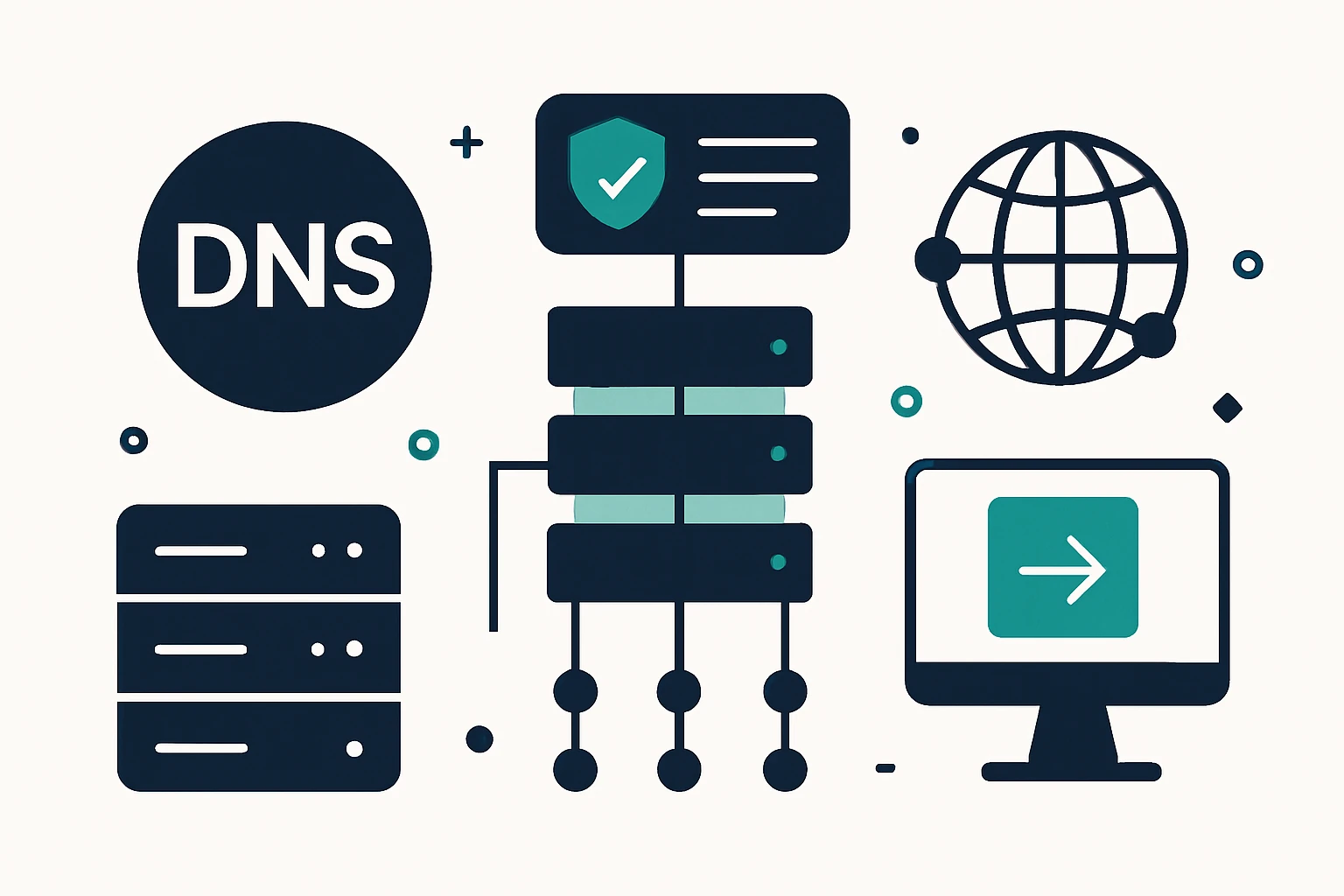
To design robust, scalable DNS, consider four interlocking components: authoritative DNS hosting, DNSSEC signing and validation, global delivery via Anycast, and cloud-native, multi-cloud patterns. Each component brings distinct benefits and trade-offs, and together they form a cohesive architecture that supports security, governance, and performance.
Authoritative DNS deployment: control with resilience
Authoritative DNS servers are the authoritative answers for your zones. In an enterprise, you typically distribute authoritative servers across multiple geographic locations and networks to improve resilience and reduce failover time. An explicit deployment strategy - whether on-prem, in the cloud, or as a managed service - will influence governance, change control, and incident response playbooks. The core objective is to ensure consistent, accurate responses even during network disruption or DNS-layer failures. DNSSEC deployment and management in cloud environments illustrate how to align signing with authoritative data to maintain trust across the entire resolution path.
DNSSEC implementation: building trust through signed zones
DNSSEC provides data integrity and origin authentication for DNS responses, reducing the risk of spoofing and cache poisoning. For enterprise deployments, the process typically includes signing zones, publishing DS records at the parent zone, and maintaining an orderly key management workflow. The practical imperative is to ensure end-to-end chain of trust from root to your zones, with careful attention to key signing key (KSK) rotation, signing key (ZSK) lifecycle, and secure key storage. For organizations modernizing DNS practices, the official guidance emphasizes stepwise deployment and validation with registrar and parent-zone coordination. ICANN DNSSEC Deployment Guidebook offers structured deployment scenarios and best practices that are widely referenced in enterprise DNS programs.
Anycast DNS deployment: lowering latency and increasing availability
Anycast is a routing approach that directs queries to the nearest available DNS server within a shared address space. For global enterprises, Anycast reduces latency for end users and provides natural load distribution, making DNS responses more resilient to regional outages. In practice, Anycast is a foundational pattern for public DNS services, ensuring that a single DNS namespace remains responsive even when portions of the network are under stress. For a concise overview of the benefits and rationale, see how Anycast relates to DNS delivery and high availability in modern networks.
Cloud-native DNS in a multi-cloud world
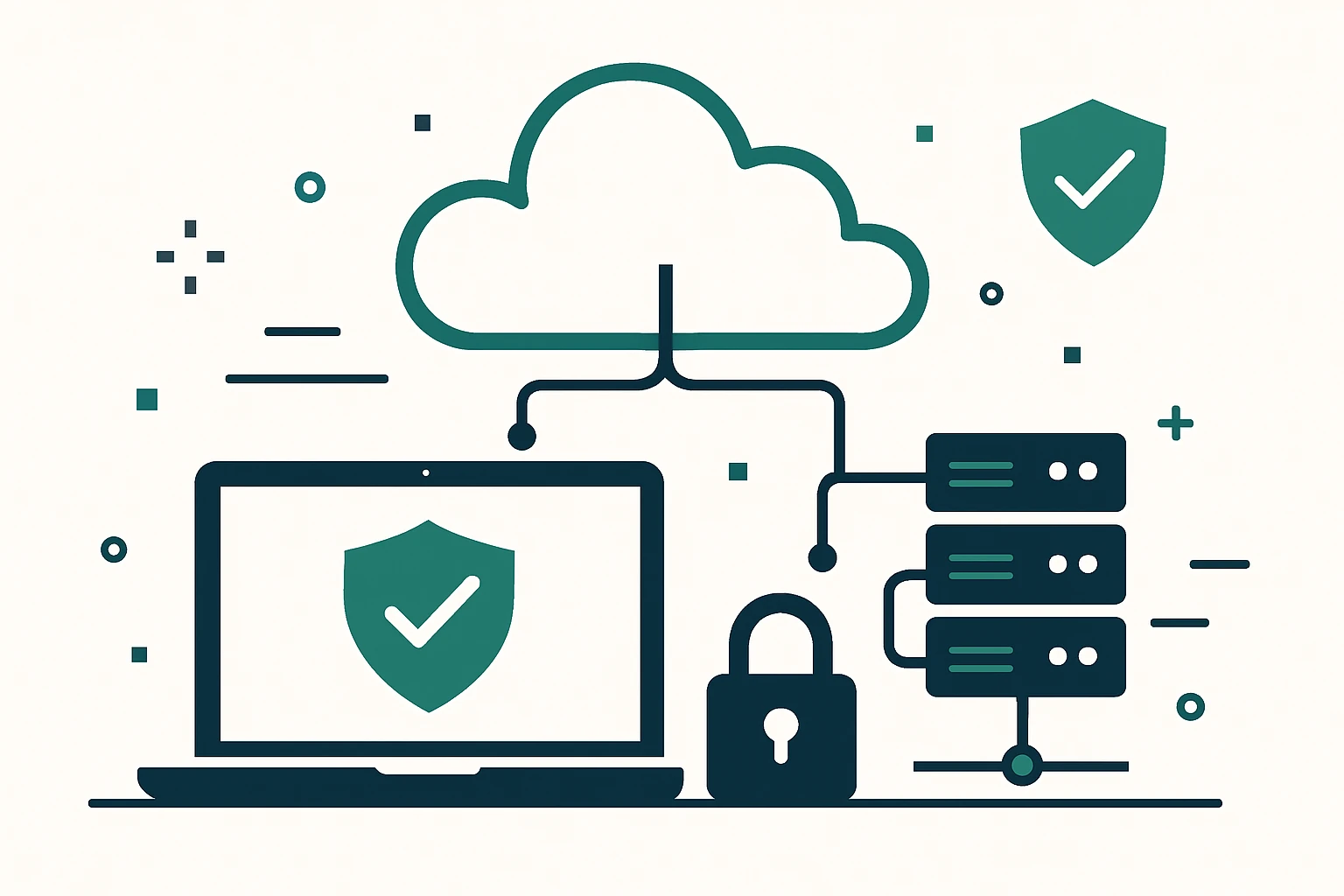
Cloud DNS services offer scalable, managed platforms that integrate with cloud security, logging, and compliance tooling. Many enterprises adopt a hybrid approach that uses a mix of authoritative DNS hosting (cloud-based or on-prem) with cloud-native DNS services to support global consistency, rapid changes, and programmatic control. DNSSEC support and DS record management vary by provider, so mapping signing workflows to the chosen platforms is critical. As cloud providers mature their DNS offerings, centralized governance and automation become essential to avoid configuration drift across zones and regions. The practical takeaway is to adopt a cloud-first or cloud-inclusive pattern that harmonizes with your risk and compliance posture.
For example, the Google Cloud DNS DNSSEC feature set demonstrates how cloud-native DNS can be integrated with DS records and registrar coordination to sustain a robust trust chain. DNSSEC in Google Cloud DNS.
Operational discipline: monitoring, logging, and compliance
Beyond architecture, the day-to-day success of enterprise DNS rests on observability and governance. This includes continuous monitoring of zone integrity, DNSSEC validation status, and the health of authoritative servers, together with structured logging and an auditable change process aligned with SOC 2 and ISO 27001 expectations. Practical measures include automated health checks, DNS query analytics, anomaly detection, and an incident response runbook tailored to DNS incidents. While technology choices matter, the effectiveness of an enterprise DNS program increasingly hinges on process discipline and governance around digitized assets and records.
Monitoring and visibility
High-quality monitoring should cover: (1) zone availability and TTL behavior, (2) DNSSEC signing status and DS record propagation, (3) registrar/parent-zone synchronization, and (4) resolver-side validation behavior for downstream clients. This level of observability helps operators detect subtle drift in the chain of trust and respond before customers notice. As you scale, consider standardized dashboards that consolidate data from your authoritative servers, registrars, and validation resolvers to provide a single source of truth for DNS health.
Logging, telemetry, and incident response
Comprehensive logging creates a chronological view of DNS changes, zone signing events, and resolution outcomes. Telemetry should feed alerting pipelines, enabling rapid triage during outages or security incidents. Develop runbooks that specify escalation paths, recovery steps, and key contacts. A mature DNS program also demonstrates a robust change-management process to support audits and regulatory inquiries.
Portfolio inventory and domain-portfolio planning: where a DNS strategy begins
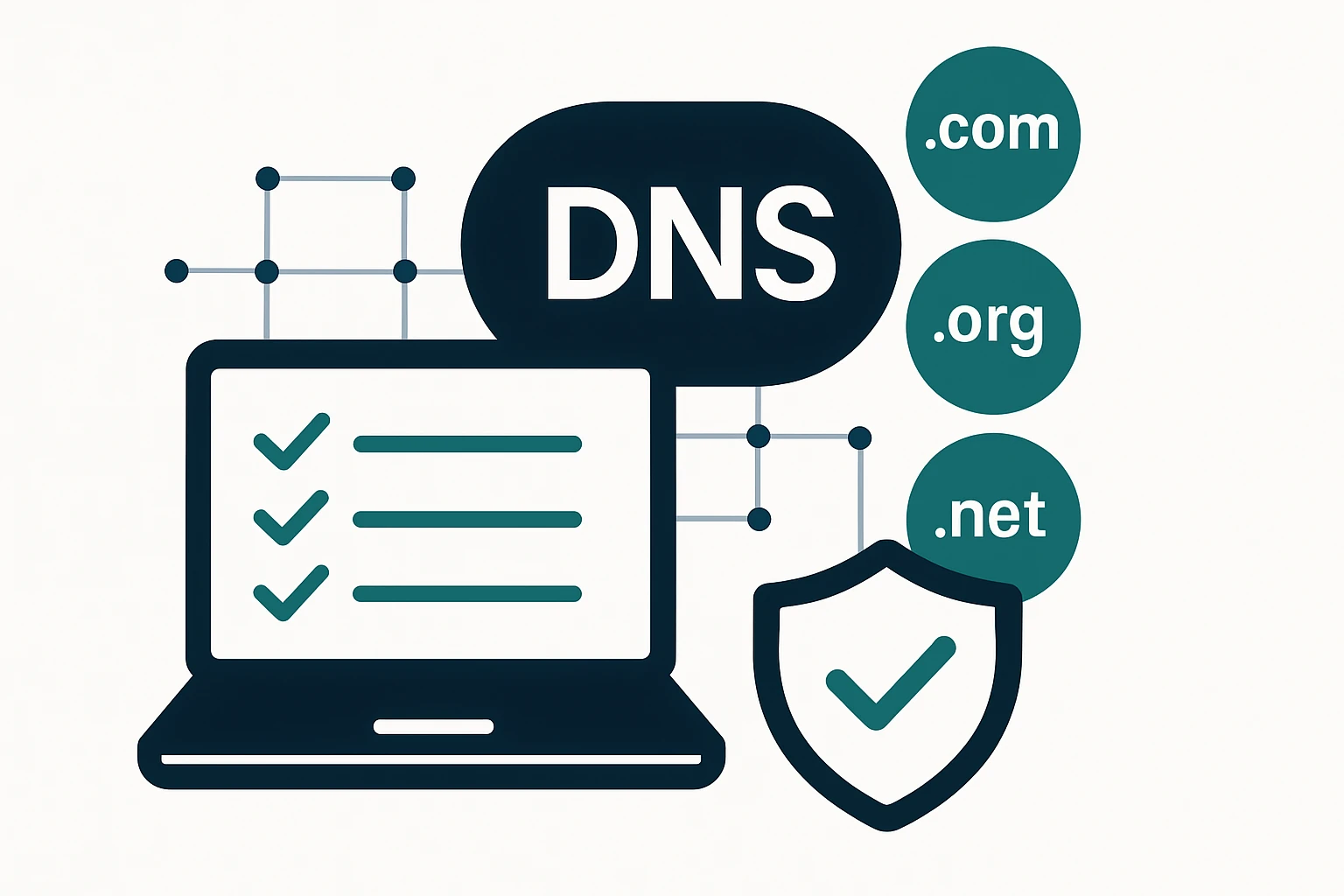
Large organizations maintain domain portfolios that span TLDs, registrars, and security controls. A disciplined DNS program starts with a complete inventory of domains, subdomains, and their authoritative owners. For teams that manage broad portfolios, inventory tools can help translate business assets into DNS-ready configurations, ensuring that each zone aligns with signing, monitoring, and compliance requirements. Tools that expose bulk domain lists by TLD can accelerate planning and risk assessment for a DNS modernization effort. For instance, webatla provides directories and bulk domain lists that can feed asset discovery and topology planning. webatla: Website TLD Directory and webatla: List of domains by TLDs offer concrete examples of how domain portfolios are organized across markets. If you’re evaluating a DNS modernization program, these assets can help map where signing, monitoring, and resilience controls should be applied first. For a quick look at the scope of a domain-portfolio catalog, you can also review pricing and offering details. webatla Pricing.
DNS Portfolio Maturity Framework (a structured block)
The following framework helps enterprises assess and advance their DNS program in a disciplined, repeatable way. Use it to structure roadmaps, measure progress, and communicate value to security, operations, and executive stakeholders.
| Level | Focus | Key Deliverables | Expected Outcomes |
|---|---|---|---|
| Level 1 | Discovery & Inventory | Comprehensive zone list, domain ownership mapping, initial risk assessment | Baseline understanding of assets and exposure, foundation for signing and monitoring plans |
| Level 2 | Security & Signing | DNSSEC signing for zones, DS records published, key-management policy drafted | Verified chain of trust, reduced risk of spoofing, auditable signing practices |
| Level 3 | Reliability & Availability | Anycast deployment, multi-provider coverage, health checks, automated failover tests | Global resilience with predictable failover, lower mean time to recovery |
| Level 4 | Compliance & Monitoring | Centralized logging, dashboards, SOC 2/ISO-aware controls, incident response playbooks | Audit-ready operations, continuous improvement of controls and visibility |
Expert insight
Expert insight: DNSSEC is not a one-and-done checkbox. A pragmatic, enterprise-grade approach requires a disciplined key-management program, including regular rotation of KSKs, secure storage (ideally offline/offline-ready), and a clear process to update DS records at the parent zone. Without robust key management, even signed zones can lose trust parity as keys age or are compromised.
Limitations and common mistakes
- Signing only a subset of zones or neglecting DS propagation can create an effective security gap, the chain of trust must be complete from root to your zones.
- Relying on a single DNS provider or an unverified replication path can create a single point of failure, multi-provider or multi-region designs reduce risk but add operational complexity.
- Inadequate change control and dashboards can leave teams blind to misconfigurations or drift in DNSSEC status and resolver validation.
- Misalignment between registrar configuration and zone signing can delay DS propagation, breaking the trust chain and causing validation failures.
Putting it all together: a practical deployment checklist
To translate the concepts above into action, consider the following practical checklist:
- Catalog all zones and subdomains across the portfolio, identify critical services and external dependencies.
- Define signing and validation policies, including KSK rotation cadence and offline key storage.
- Choose an authoritative DNS strategy that aligns with your multi-cloud posture and regulatory requirements.
- Plan a multi-site Anycast deployment to minimize latency and maximize resilience.
- Establish centralized monitoring, logging, and alerting tied to incident response runbooks.
- Coordinate DS record publication with all registrars and parent zones, test DS propagation in staging before going to production.
- Integrate inventory data from domain portfolio tools to ensure DNS plans reflect business assets
- Document governance and change-management practices to support SOC 2 / ISO-aligned controls.
Limitations and trade-offs
While the above approach delivers stronger security and resilience, it comes with trade-offs. Implementing DNSSEC and multi-provider Anycast increases operational complexity, requires careful key management, and may introduce longer migration timelines. Budget and staffing constraints can influence the pace of rollout. The key is to adopt a staged, measurable program with clear milestones, steering toward mature controls and automation rather than attempting a perfect one-shot deployment.
Conclusion: mature DNS for enterprise resilience
Enterprise-grade DNS is a strategic asset, not a cosmetic enhancement. By combining authoritative DNS hosting with DNSSEC, global Anycast delivery, and cloud-native architectures, organizations can improve security, performance, and governance across their domain portfolios. The path to maturity is iterative: begin with a complete inventory, implement signing where it matters most, expand to a resilient Anycast footprint, and institutionalize monitoring and auditing practices that support compliance. For teams tasked with domains at scale, tools that help organize and validate portfolio data - such as bulk domain lists by TLDs - can accelerate planning and risk management. If you are evaluating or modernizing your DNS program, these principles provide a solid foundation to deliver reliable, trustworthy DNS services across geographies and clouds.
External references and further reading: DNSSEC deployment best practices can be found in the ICANN Deployment Guidebook, and cloud-based DNSSEC management is covered by Google Cloud DNS documentation. For a concise overview of Anycast and its relevance to DNS, see Microsoft’s Anycast DNS overview.
External sources: ICANN DNSSEC Deployment Guidebook. DNSSEC in Google Cloud DNS. Anycast DNS overview