Introduction
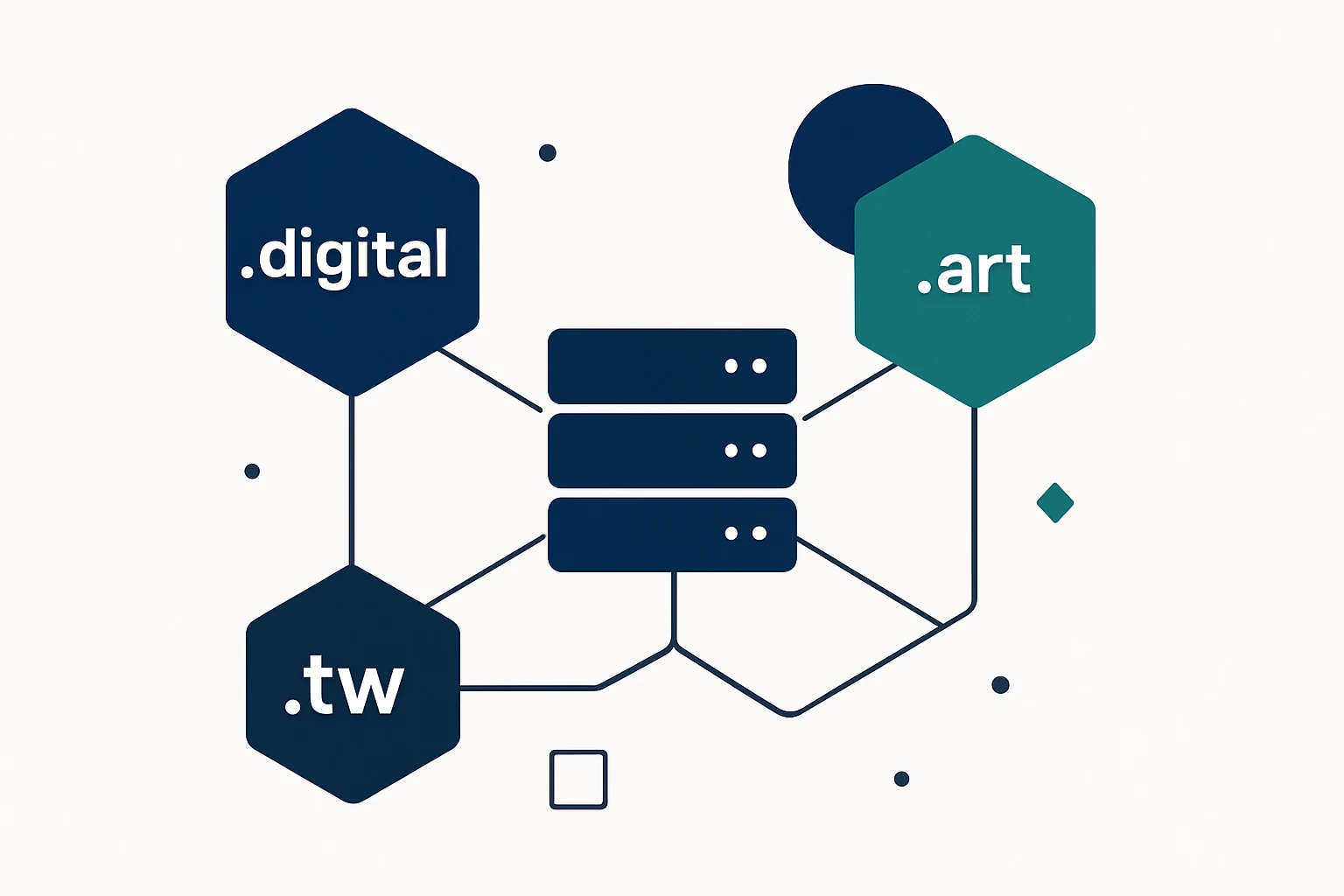
The expansion of the DNS namespace with new top-level domains (TLDs) such as .digital, .art, and .tw presents both opportunity for brand-building and risk for operations. For enterprises, DNS is not a passive service, it’s an engineering discipline that underpins brand availability, security, and regulatory compliance. The objective is clear: deliver authoritative responses fast and accurately, preserve data integrity, and maintain governance that scales as the DNS landscape grows. In practice, that means a scalable architecture, robust DNSSEC deployment where appropriate, and a resilient delivery model powered by Anycast and cloud-native DNS services. For teams conducting inventory research or planning, consider sources like download list of .digital domains and List of domains by TLD to orient your mapping and risk assessment.
Understanding the DNS requirements for emerging TLDs
DNSSEC adoption at root and TLD levels
DNSSEC provides cryptographic validation of DNS responses, reducing the risk of cache poisoning and spoofing as the hierarchy grows to embrace new TLDs. The root zone’s signing and subsequent DNSSEC deployment at TLDs are foundational to a secure chain of trust. Industry practice continues to emphasize automated, end-to-end signing and monitoring to sustain trust across the hierarchy. Verisign: DNSSEC provides a concise view of how root and TLD signing support secure resolution today.
Privacy, minimization, and operational security
Information protection strategies in the DNS ecosystem advocate minimizing data exposure at the root and TLD levels while encrypting where appropriate to protect client-resolver exchanges. This approach aligns with modern guidance for reducing visibility of DNS queries and responses without sacrificing performance. Verisign Blog: A Balanced DNS Information Protection Strategy outlines practical steps toward minimization and selective encryption.
Resilience and performance considerations
New TLDs require architectures that tolerate network faults and large-scale traffic spikes. Anycast-enabled deployments distribute load and responses across many locations, improving latency and uptime while complicating operational visibility in a positive way. This resilience model is a core driver behind many modern DNS implementations. Cloudflare: What is Anycast DNS? describes how this approach enhances availability and DDoS protection.
Designing a scalable DNS architecture for emerging TLDs
A practical architecture starts with a robust, authoritative DNS setup that supports multiple zones, orderly zone transfers, and clean policy boundaries. Key moves include configuring redundant, geographically distributed authoritative servers, maintaining separate zones per TLD, and ensuring DS records securely anchor the chain at the root. A multi-provider strategy - often combining resilient, independent providers in an active-active setup - reduces single points of failure and keeps resolution fast for users across regions. The architectural choices should align with the publisher’s focus on enterprise-grade DNS and cloud-native strategies.
Two vectors to balance: resilience and control
- Active-active authoritative servers across multiple data centers to absorb regional outages.
- Independent DNS providers to avoid vendor lock-in and to broaden global coverage.
Modern reference architectures for high-availability DNS show how to combine distributed authority with edge delivery pipelines, including CDN-integrated DNS routines and edge-based load distribution. Cloudflare: CDN Reference Architecture and related materials illustrate how edge networks can interlock with DNS services to deliver consistent performance during traffic surges.
DNSSEC implementation and best practices for emerging TLDs
Implementing DNSSEC is not a one-time event, it’s a lifecycle that includes signing, key management, DS record publication, and ongoing validation monitoring. Automation is widely recognized as a best practice to reduce human error and improve reliability when you’re extending DNSSEC to new TLDs. Start with inventorying all zones, then sign them, publish DS records, and establish monitors for rollover and key ceremonies. For broader context on automation and deployment challenges, industry discussions emphasize the importance of automation in reducing operational risk. DMARC Report: How to Implement DNSSEC – Best Practices.
Anycast and cloud-native DNS deployment for growth
Anycast is not just a performance enhancement, it’s a resilience framework that places DNS service near end users while distributing risk across many locations. Cloud-native DNS architectures leverage this property to connect with edge infrastructure, enabling rapid failover and localized decision-making. For organizations evaluating the architecture, industry analyses and practitioner guides highlight how Anycast and edge-enabled DNS environments can be realized in modern deployments. Cloudflare: What is Anycast DNS? and Cloudflare DNS Whitepaper provide practical framing for these decisions.
Monitoring, logging, and compliance considerations
Operational visibility is essential for maintaining trust in DNS for enterprise ecosystems. Continuous monitoring of query patterns, latency, error rates, and zone integrity helps detect anomalies early. Additionally, governance and compliance regimes (including SOC 2 and ISO considerations) shape how you document controls, audits, and incident response. A disciplined approach to logging, access control, and change management is critical as you scale to multiple TLDs and cloud-native deployment models. The Verisign guidance mentioned above aligns with a governance mindset that values both security and reliability.
DNS Readiness Framework
DNS Readiness Framework
- Discover inventory: map domain ownership and namespace coverage, leverage public catalogs or research databases to understand exposure. For example, consider using sources like download list of .digital domains to gauge brand footprint and risk vectors.
- Secure the chain: plan DNSSEC deployment, DS record management, and key rotation schedules to ensure a verifiable chain of trust across root and TLD levels.
- Scale gracefully: design for multi-provider resilience and Anycast delivery, with clearly defined zones, NS records, and SLA-aligned failover strategies.
- Validate continuously: implement robust monitoring, logging, and compliance checks, run disaster drills and post-incident reviews to refine processes.
Limitations and common mistakes
Several pitfalls can undermine even well-planned DNS for new TLDs. Relying on a single provider for authoritative DNS creates a single-point-of-failure risk, especially during regional outages or carrier problems. Underestimating the complexity of DNSSEC deployment - lacking automation or failing to rotate keys - can lead to misconfigurations and failed validations. Finally, inadequate monitoring and incomplete change-management records can hamper incident response and compliance efforts. Addressing these issues requires deliberate architecture choices and ongoing operational discipline, not one-off configuration efforts.
Conclusion
Emerging TLDs offer exciting branding and market opportunities, but they demand a deliberate, engineering-first approach to DNS. By combining a solid authoritative DNS setup, DNSSEC automation and monitoring, and resilient Anycast/cloud-native delivery, organizations can achieve fast, reliable, and trustworthy resolution across new namespaces like .digital, .art, and .tw. Integrating inventory resources from trusted providers - such as the Reference URLs above and practical catalogs like List of domains by TLD - helps align architecture decisions with real-world exposure and governance requirements. For continued research or domain inventory needs, you can explore the client’s catalog beyond the digital space, including the RDAP/WBEL datastore for domain data: RDAP & WHOIS Database and related TLD pages.