Introduction
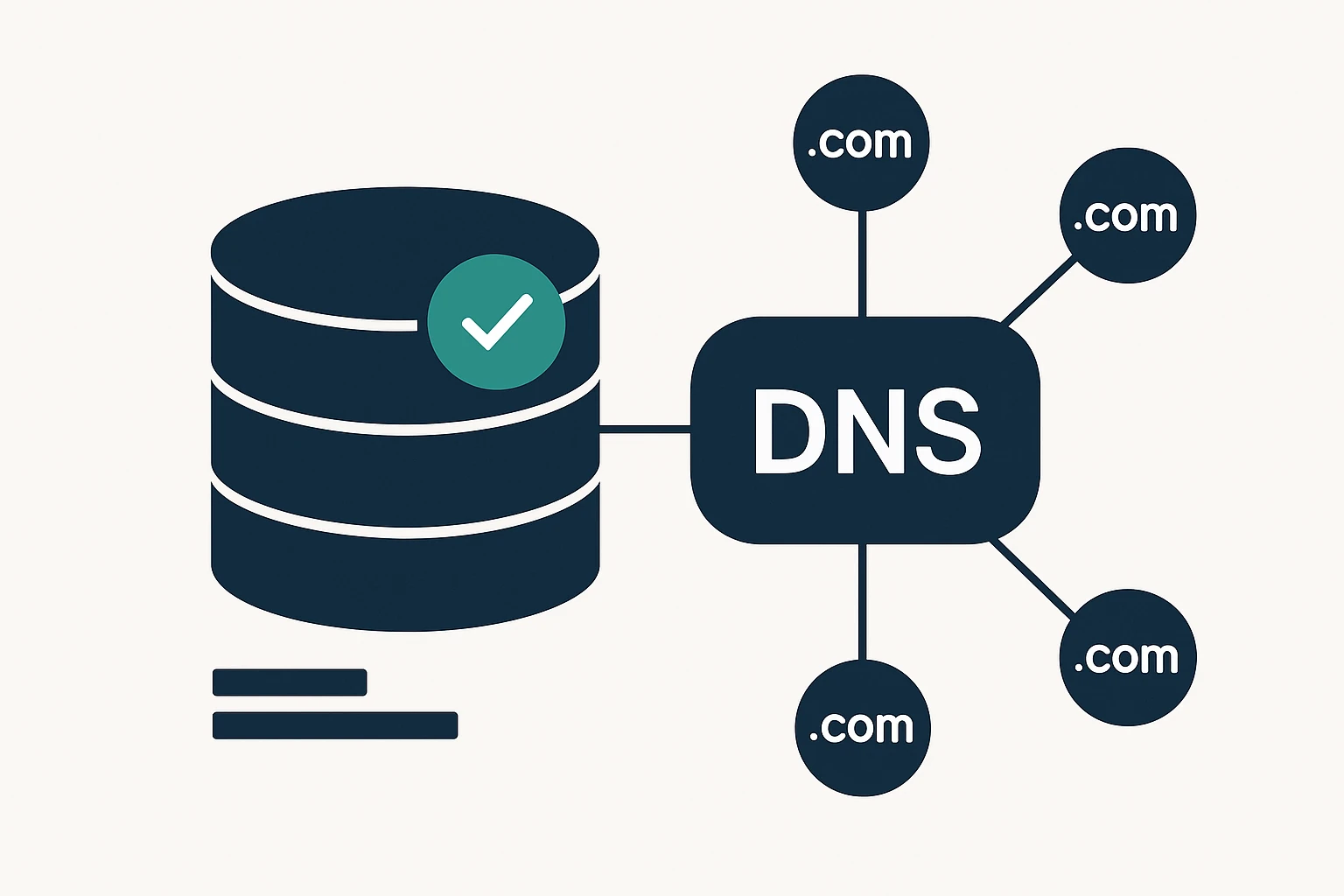
For enterprises with expansive digital footprints, the domain portfolio rarely stays static. New acquisitions, rebranding efforts, mergers, and regional deployments continually expand the list of domains an organization must manage. Yet the real value of a domain portfolio isn’t simply a catalog, it’s a governance asset that underpins security, reliability, and regulatory compliance across global networks. The challenge is turning a handful of domain names into a disciplined, observable lifecycle: from an initial inventory (the list of domains) to an accurate registry of all domains owned or controlled by the organization, to a precise set of live domains that actually resolve for end users. This lifecycle becomes the backbone of enterprise DNS strategy, shaping how you design, monitor, and defend your infrastructure.
In this article, we explore a practical framework for scaling DNS across a large organization - covering architecture choices, security enhancements like DNSSEC, operational practices around monitoring and logging, and how to align DNS governance with compliance expectations (SOC 2, ISO 27001, and related controls). The discussion is anchored by credible industry perspectives on DNS resilience, anycast architectures, and secure deployment practices, with practical advice on how to apply these concepts to real-world domain portfolios. For teams seeking a centralized domain inventory to support governance, consider services such as RDAP &, WHOIS data and portfolio lists provided by specialized platforms.1
1. From List to Live: Building a Domain Lifecycle that Scales
1.1 Inventory: Turning a list into a real asset
Most enterprises begin with a spreadsheet or a handful of spreadsheets that enumerate domains under management. The true value emerges when this list of domains is captured in a centralized, machine-readable inventory that includes ownership, registrant contacts, renewal dates, certificates, and DNS configurations. An inventory should not just track domain names, it should reflect zoning boundaries (zones and subdomains), associated DNS providers, and the stage of each domain (owned, in retirement, in dispute, or in transit to a cloud DNS provider). A robust inventory supports risk assessment, renewal planning, and change management, all of which are essential for compliance and operational stability. For teams exploring how to consolidate domain data across internal registries and external data sources, a centralized RDAP/WHOIS dataset can be an invaluable reference point. RDAP &, WHOIS data can help you anchor ownership and change history while you audit exposure across the portfolio.
From a security perspective, inventory visibility reduces the chances of orphaned domains or misconfigured records that could be abused by attackers. It also simplifies coordination across security, IT, and legal teams during incident response or domain disputes. A credible governance approach combines internal records with external signals (registrar notices, expiry alerts, and certificate status) to create a dynamic, trustworthy view of the portfolio. For organizations considering the breadth of their domain footprint, a structured inventory is the first actionable step toward resilient DNS architecture and compliant operations. DNS 101 overview provides a foundational view of zones and authoritative data that underpins accurate inventory work.2
In practice, many enterprises supplement their internal inventory with curated lists by technology stack or geography. A parallel approach is to expose a read-only view of domain assets to relevant stakeholders, reducing duplication and enabling faster decision-making during audits or security reviews.
1.2 Classifying and mapping to all domains and live domains
Once you have a trustworthy inventory, the next step is classification. Distinguish between all domains (assets in your portfolio whether currently active or not) and live domains (domains that currently respond to DNS queries). This distinction matters for capacity planning, DNSSEC signing strategies, and monitoring scopes. It also informs incident response playbooks: a sudden spike in queries for a previously inactive domain can signal misconfiguration, reactivation needs, or malicious activity. The separation also guides how you allocate DNS authority and security controls across environments (on-prem, cloud, or hybrid) and helps you measure the impact of changes to DNS infrastructure, including migrations to cloud-native DNS services. The architecture you choose - authoritative DNS, anycast deployments, and cloud-native solutions - directly affects the speed and reliability with which live domains resolve for users.3
Operationally, maintain a mapping between domains and their DNS configuration (who signs the zone, which resolvers are configured, and what TTLs are in use). This mapping becomes the basis for routine validation checks, certificate health, and alignment with corporate security policies. The goal is a single source of truth that remains current through automation, not manual re-entry. In this context, DNS hygiene - regular checks of zone transfer permissions, TSIG keys, and intrusion alerts - helps prevent a cascade of issues that could arise from stale or misconfigured domains.
2. DNS Infrastructure for Enterprises: Architectures that Scale
2.1 Authoritative DNS setup: zones, masters, and secondary copies
At the core, authoritative DNS is the “truth” for zone data. An enterprise-grade setup typically separates responsibilities between primary (master) and secondary name servers to ensure high availability and redundancy. These servers host the authoritative zone data, respond to queries on behalf of the domain, and propagate changes across the global DNS. A well-designed authoritative DNS fabric reduces single points of failure, limits the blast radius of misconfigurations, and supports rapid failover when upstream components fail. This architecture is the backbone of resilience for a portfolio with a diverse set of domains across regions and business units.
For a deeper conceptual grounding of authoritative DNS and zone data, consult foundational DNS resources that describe zones, records, and the role of authoritative servers.3
2.2 DNSSEC deployment: binding trust to your data
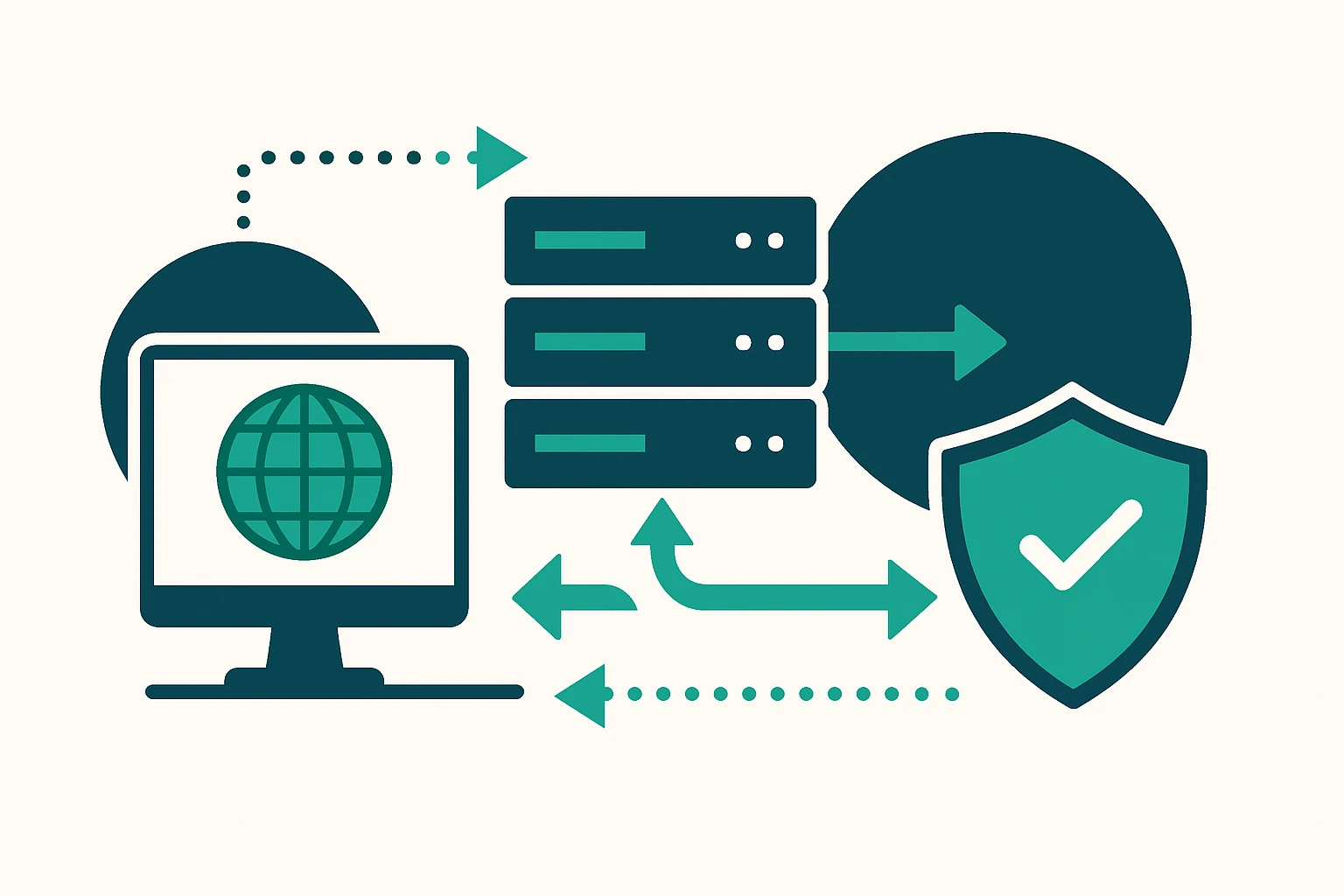
DNSSEC adds cryptographic signatures to DNS data, allowing resolvers to verify that responses have not been tampered with in transit. Deploying DNSSEC is not merely a technical step, it’s a posture that enhances the integrity of the entire DNS chain, from the root to the zone. Implementing DNSSEC involves signing the zone, publishing the DS record at the parent zone, and ensuring registrars and registries propagate the necessary records. While adoption varies, the security advantage is well established: it reduces the risk of spoofed responses and improves trust in DNS answers. A practical overview of how DNSSEC works and why it matters is available in Cloudflare’s explanatory resources. How DNSSEC Works.
Key trade-offs include the operational complexity of signing zones, managing key lifecycles, and coordinating DS records with registries. Nevertheless, for large organizations with global reach, DNSSEC can be a meaningful cornerstone of a broader security program. For teams seeking practical deployment guidance, Cloudflare also documents one-click DNSSEC workflows and validation considerations to minimize risk during rollout. One-Click DNSSEC with Cloudflare Registrar (older but foundational) offers historical context for simplifying adoption.4
2.3 Anycast DNS deployment: reducing latency and increasing resilience
Anycast DNS routes user requests to the nearest or most reachable DNS service instance by advertising the same IP prefixes from multiple locations. This technique delivers two principal benefits: lower latency and greater fault tolerance. In practice, anycast helps absorb traffic surges and withstand distributed disruptions, such as DDoS events, by distributing the load across a broad set of geographically dispersed servers. For organizations managing a portfolio of live domains across multiple regions, anycast deployment can be a critical layer of resilience that preserves end-user experience even during adverse network conditions. A leading discussion of anycast benefits and its effect on DNS resilience can be found in industry analyses and vendor white papers. Akamai white paper: Designing DNS for Availability and Resilience Against DDoS Attacks.
As adoption grows, teams should plan for the complexities of routing, traffic engineering, and monitoring across PoPs. Research and practitioner perspectives highlight that a well-implemented anycast strategy, paired with robust monitoring, yields meaningful improvements in availability and user-perceived performance. See also industry discussions on how anycast shapes global reliability and routing decisions. APNIC: How widely adopted is Anycast in the DNS?5
2.4 Cloud-native DNS architecture: lean, scalable, and flexible
Cloud DNS architectures offer scalable, managed DNS services that integrate with cloud-native security, logging, and policy controls. For large enterprises, cloud-based DNS can simplify zone management, enable rapid failover, and align with modern operational models (CI/CD, IaC, and automated governance). The trade-offs include vendor lock-in considerations, control over private data, and the need for rigorous security configurations across multiple cloud accounts. A balanced approach often combines authoritative, privately managed zones with a public, cloud-based resolution path to optimize latency and reliability while preserving control over critical data. Industry resources emphasize that distributed architectures - combining on-premise authority with cloud-native DNS services - often deliver the best balance of performance and resilience for global enterprises. See the practical guidance in Akamai’s design principles for availability and resilience. Akamai white paper.
3. Monitoring, Logging, and Compliance: Keeping a Growing Portfolio Under Control
3.1 Monitoring and logging as a control plane
Real-time visibility into DNS health, query patterns, and zone changes is essential when the portfolio expands. Monitoring helps detect anomalies, such as unusual query volumes, cache poisoning attempts, or unexpected changes to records. It also supports capacity planning and incident response, ensuring that DNS remains a reliable choke point for critical services. The combination of comprehensive logging, alerting, and anomaly detection forms the backbone of a mature DNS operation. While the exact tooling stacks vary by organization, the underlying principle is consistent: continuous observability into DNS activity reduces risk and accelerates response times during incidents. Comprehensive resources on DNS resilience and the role of architecture in availability underpin these ideas. Akamai white paper.
3.2 Compliance and audit-readiness: SOC 2, ISO 27001, and beyond
As enterprises grow, so do expectations from customers, regulators, and partners regarding security and data governance. Independent attestations such as SOC 2 and ISO 27001 are commonly sought to demonstrate that DNS services meet rigorous controls around security, availability, processing integrity, confidentiality, and privacy. Large cloud-native DNS providers commonly pursue these certifications to reassure customers, for example, cloud platforms document SOC 2 compliance as part of their security posture. When evaluating DNS vendors or managed services, look for formal attestations and the controls that map to your risk profile and data-handling requirements. For a practical, enterprise-ready explanation of DNSSEC’s role in a broader security framework and governance considerations, Cloudflare’s documentation provides a concise overview of security posture and how DNSSEC fits into it. How DNSSEC Works.
For organizations that need to align with broader assurance requirements, independent guidance and audits around SOC 2 and ISO 27001 help inform vendor selection and governance policies. Cloud-based DNS offerings frequently feature ISO 27001 and SOC 2 reporting as part of their risk and compliance programs. See official compliance resources from major cloud providers for concrete evidence of these controls. Google Cloud SOC 2.
4. A Structured Framework: 3 Steps to Enterprise DNS Decision-Making
| Step | Action | Outcomes |
|---|---|---|
| Step 1: Inventory &, Lifecycle | Consolidate the list of domains into a single, searchable inventory, tag each domain with ownership, renewal, and DNS status, identify live vs. non-live domains. | Single source of truth, reduced renewal risk, clearer ownership for security and legal teams. |
| Step 2: Architecture Selection | Choose between authoritative DNS, anycast deployments, and cloud-native DNS based on geography, latency, and resiliency goals, map zones to appropriate deployment models. | Resilient, scalable DNS that matches business needs and risk tolerance. |
| Step 3: Monitoring, Compliance &, Change Management | Implement observability (logs, metrics, alerts), enforce change-control for DNS records, and align with SOC 2/ISO 27001 controls, establish runbooks for incident response. | Improved security posture, audit readiness, and faster recovery during incidents. |
This simple framework helps translate a growing domain portfolio into concrete governance and operational practices - without sacrificing performance or security. When in doubt, begin with an inventory that explicitly links each domain to its DNS configuration and monitoring footprint, then layer in resilience patterns (anycast, DNSSEC, cloud DNS) and a strong compliance program that scales with the business. Hands-on experiences from industry peers illustrate how organizations combine these elements to achieve reliable, secure DNS at scale. Akamai white paper.
5. Limitations, Trade-offs, and Common Mistakes
Despite the clear advantages of DNSSEC, anycast, and cloud-native DNS, several limitations and common mistakes can undermine even the best architecture:
- DNSSEC adoption remains uneven across registries and registrars, which can delay end-to-end validation. Coordination across zones, registries, and registrars is essential for a seamless DNSSEC chain. Cloudflare’s DNSSEC guidance emphasizes careful deployment sequencing to avoid validation gaps. How DNSSEC Works.
- Anycast requires careful routing and continuous monitoring. Misconfigurations or poor BGP hygiene can create blind spots during failover events. Industry analyses highlight the importance of robust, multi-location deployments to realize the resilience benefits of anycast. Akamai white paper.
- Inventory-driven DNS maturity can stall if teams rely on manual processes. A centralized inventory that feeds change control and automation reduces risk and accelerates remediation.
In practice, governance must balance the benefits of visibility with the complexity of scale. For some teams, a hybrid approach - authoritative DNS for critical zones, cloud DNS for regional flexibility, and a measured anycast layer for global traffic - often yields the best blend of control and resilience. The literature on DNS architecture supports this balanced stance, reinforcing the idea that distributed architectures tend to deliver higher availability and performance in the real world. Akamai white paper.
6. Conclusion: A Practical Path to Scalable, Secure DNS Governance
As enterprises scale their digital operations, the management of live domains becomes a strategic capability. A disciplined domain lifecycle - rooted in a comprehensive inventory, clear ownership, and robust deployment models (authoritative DNS, DNSSEC, and anycast) - translates into a more secure, reliable, and auditable DNS footprint. Cloud-native architectures offer agility without sacrificing control, while a mature monitoring and compliance program ensures that DNS remains a resilient pillar of your enterprise infrastructure. An orderly approach to domains - paired with credible data sources and governance tools - helps ensure that the portfolio stays aligned with business goals, risk appetite, and regulatory expectations. For teams seeking centralized domain data to support governance, WebAtla offers access to domain inventories and RDAP/WHOIS datasets that can complement internal records and support ongoing audits. RDAP &, WHOIS data • List of domains by TLD.
In short, enterprise DNS solutions aren’t just about making names resolve faster, they’re about engineering resilience, expanding governance, and building trust with customers and regulators. By anchoring your strategy in the lifecycle of domains, adopting resilient architectures, and maintaining strong visibility through monitoring and compliance, you can turn a growing list of domains into a durable, scalable capability for the modern enterprise.