Introduction: turning a global footprint into a reliable, country-aware DNS strategy
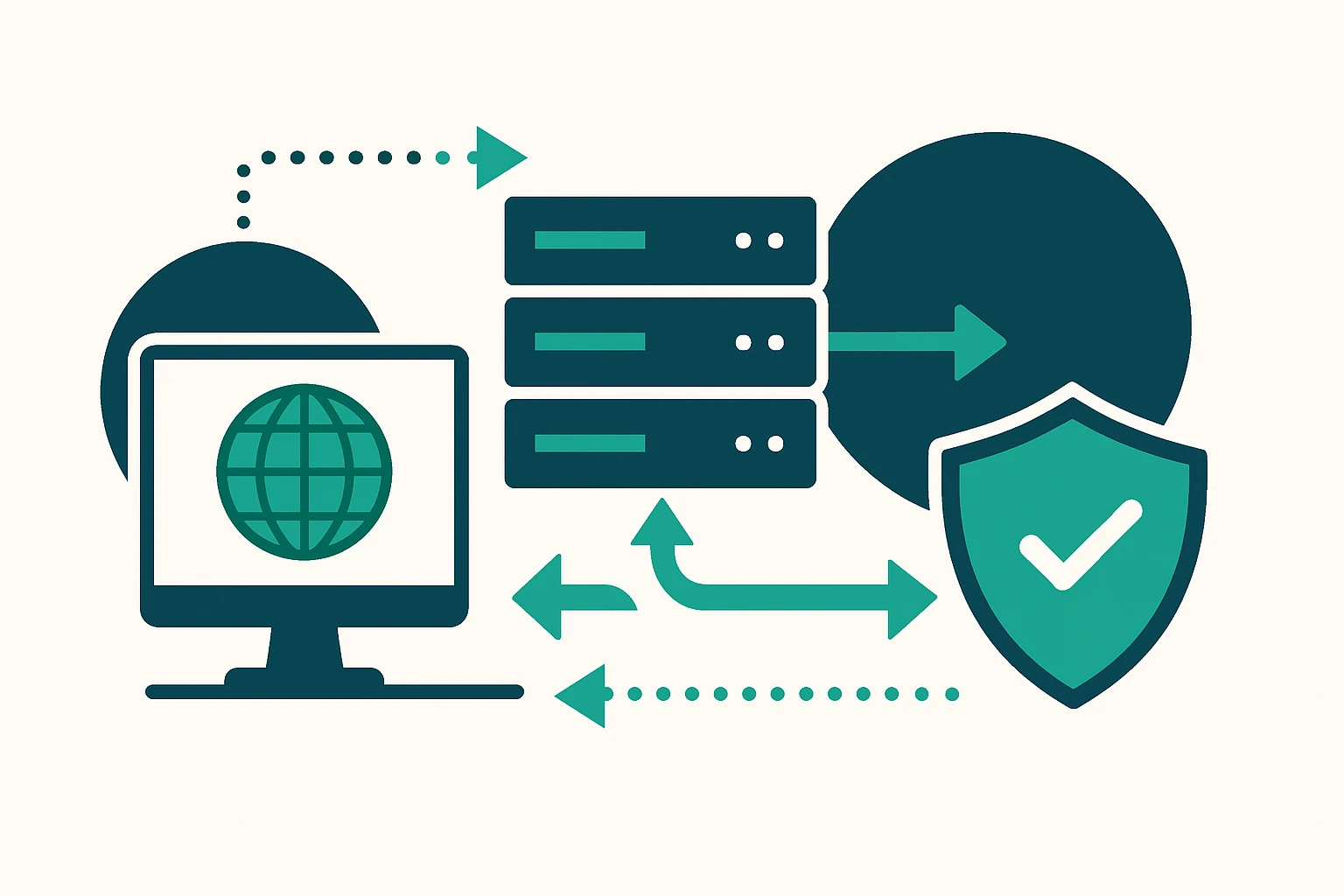
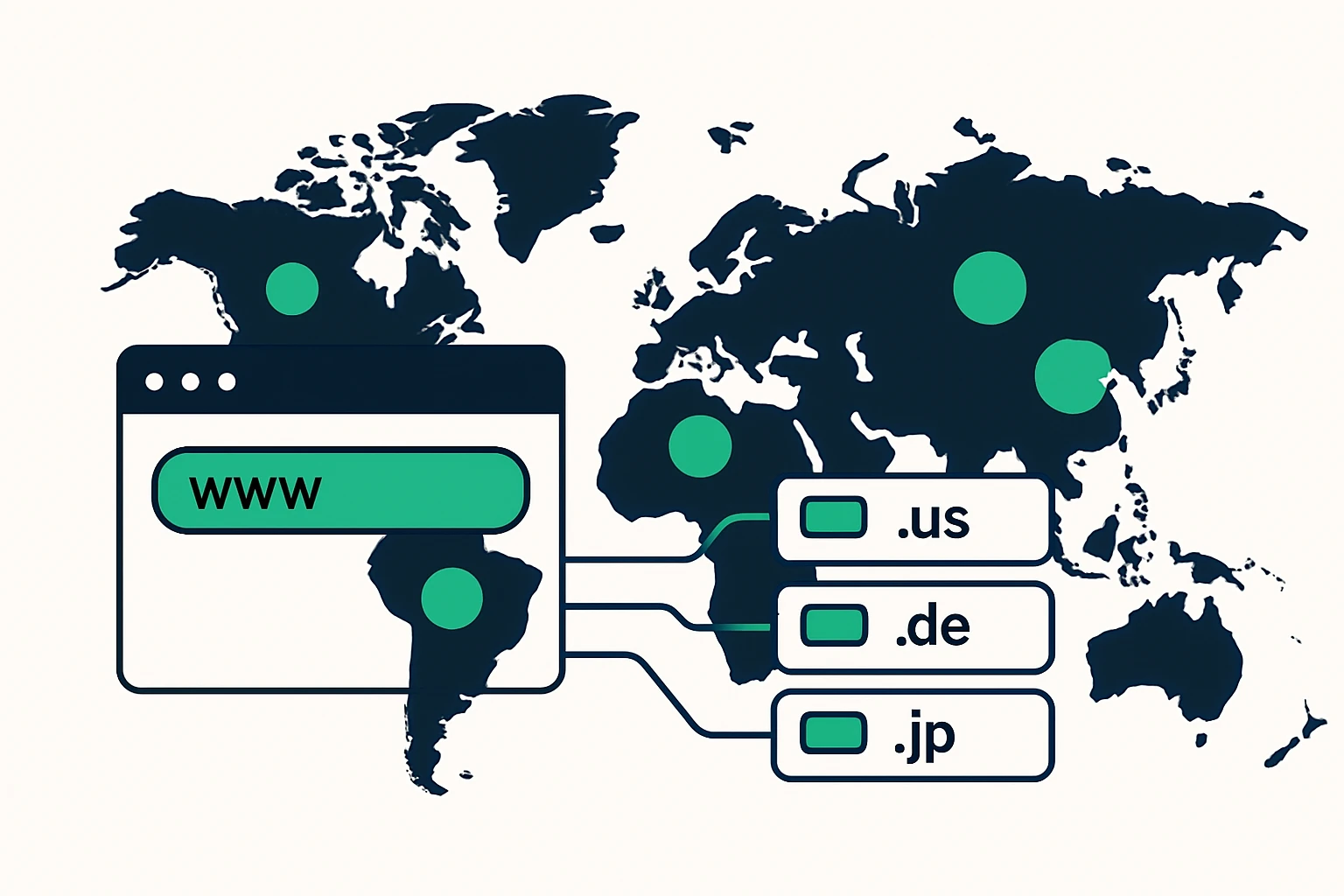
For modern enterprises with customers across borders, a simple global website presence is no longer enough. The challenge is not only to publish content in multiple languages or to host sites near users, but to route users to the right country-specific resources with the speed, reliability, and security that global brands demand. A country website list - a structured map of where your domains, subdomains, and country-code top-level domains (ccTLDs) live - becomes a strategic asset when paired with a robust DNS foundation. In practice, this means designing an authoritative, globally resilient DNS architecture that supports a country-by-country website map, while staying compliant with governance standards and maintaining tight observability. The goal is to minimize latency for end users, reduce DNS-based attack surfaces, and ensure consistent, verifiable DNS responses as your footprint grows. Webatla's country-domain directory is a timely example of how organizations catalog their country-specific assets to support faster decision-making and operational clarity.
The case for a country-aware DNS strategy
Global operations place unique demands on DNS infrastructure. When users in different countries access your sites, their queries should be resolved quickly from nearby locations, with validations that protect against tampering and outages that could disrupt availability. Three core principles drive a country-aware DNS strategy:
- Proximity and resilience: DNS routing should leverage a global or regional footprint so queries land on resolvers or authoritative servers close to end users. This reduces latency and improves failover coverage during regional outages.
- Security and integrity: DNSSEC and robust monitoring help prevent cache poisoning, man-in-the-middle manipulations, and expose validation gaps across country zones.
- Governance and compliance: ccTLD policies, data residency considerations, and cross-border governance affect how you deploy and manage DNS infrastructure at scale. ICANN and ccTLD guidance provide a framework for safe, policy-consistent operations.
Understanding these dimensions is essential for turning a nation-by-nation website list into a living, auditable DNS program. ICANN and national registries emphasize that DNS operations are a critical piece of national and global Internet resilience, with ongoing governance and security initiatives guiding best practices for operators of ccTLDs and gTLDs alike. (icann.org)
Key DNS components for global country websites
To support a country website list at scale, enterprises typically invest in a layered, flexible DNS architecture. Three components stand out for global readiness:
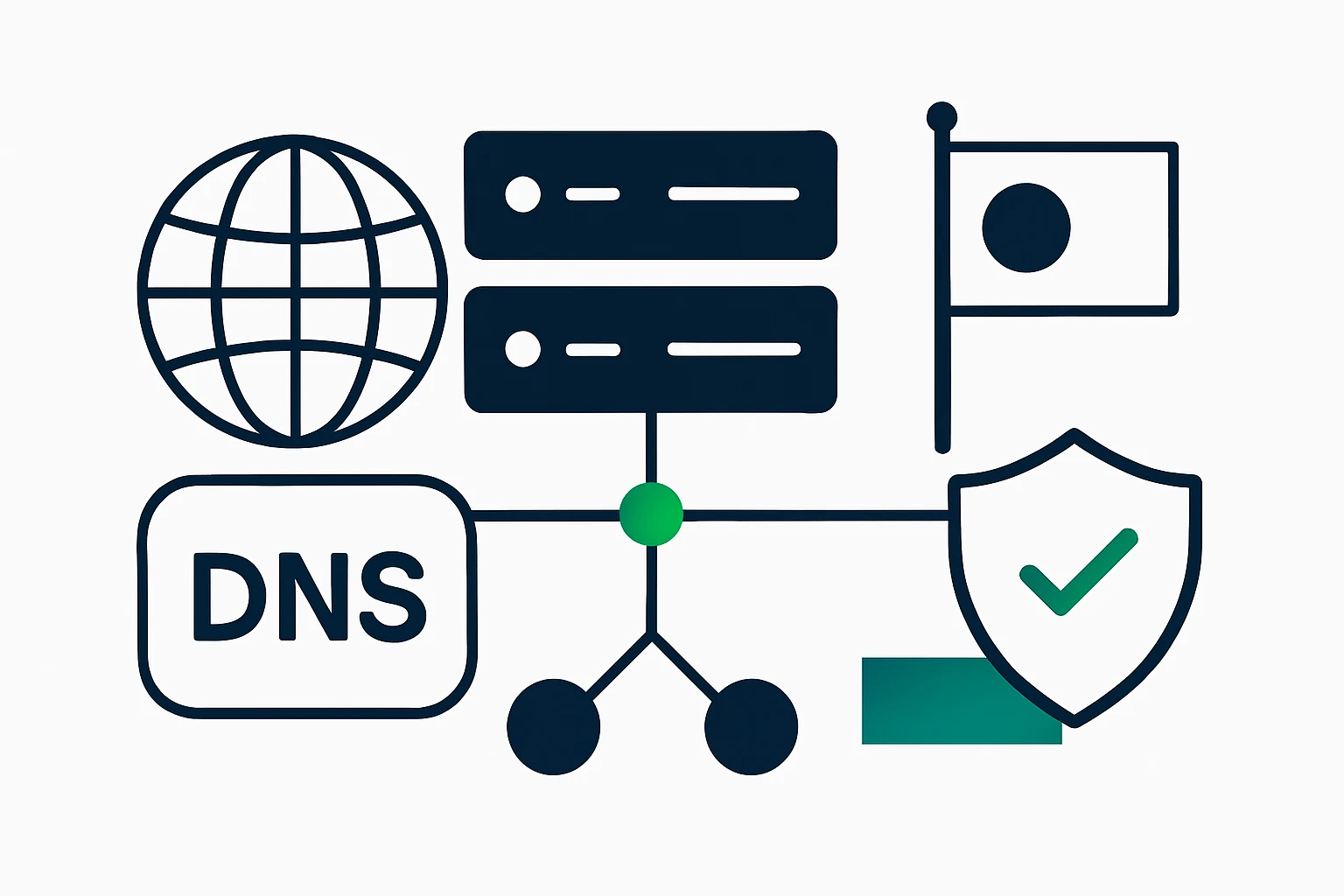
- Authoritative DNS setup: A clearly defined zone architecture that supports country-specific domains and ccTLDs, with redundant authoritative servers distributed across multiple regions. This is the backbone that ensures authoritative answers are consistently delivered from near users and backed by strong failover capabilities.
- Anycast DNS deployment: Anycast enables a single IP address to be served by multiple geographically distributed servers, optimizing path selection and resilience against regional outages or DDoS events. It is widely recommended as a core craft for enterprise-scale DNS delivery. (cira.ca)
- DNSSEC and secure resolution: DNSSEC signs DNS data to protect authenticity and integrity, reducing the risk of provider-level tampering and cache poisoning. The global DNS ecosystem completed a major milestone when DNSSEC was deployed across all current generic TLDs, underscoring its importance for enterprise zones. (icann.org)
Cloud-native DNS, powered by resilient architectures and global reach, complements these components by providing scalable, on-demand capacity across regions. Vendors often present multi-cloud DNS architectures as a practical path to balance latency, reliability, and total cost of ownership in diverse geographies.
In sum, a country website list gains real value when paired with an authoritative DNS framework, enhanced by anycast delivery, DNSSEC protection, and cloud-native orchestration. For practitioners evaluating options, the literature from ICANN and national bodies underscores the legitimacy and necessity of a well-governed, security-conscious DNS program as you scale your country footprint. (icann.org)
Authoritative DNS setup: organizing country zones with clarity
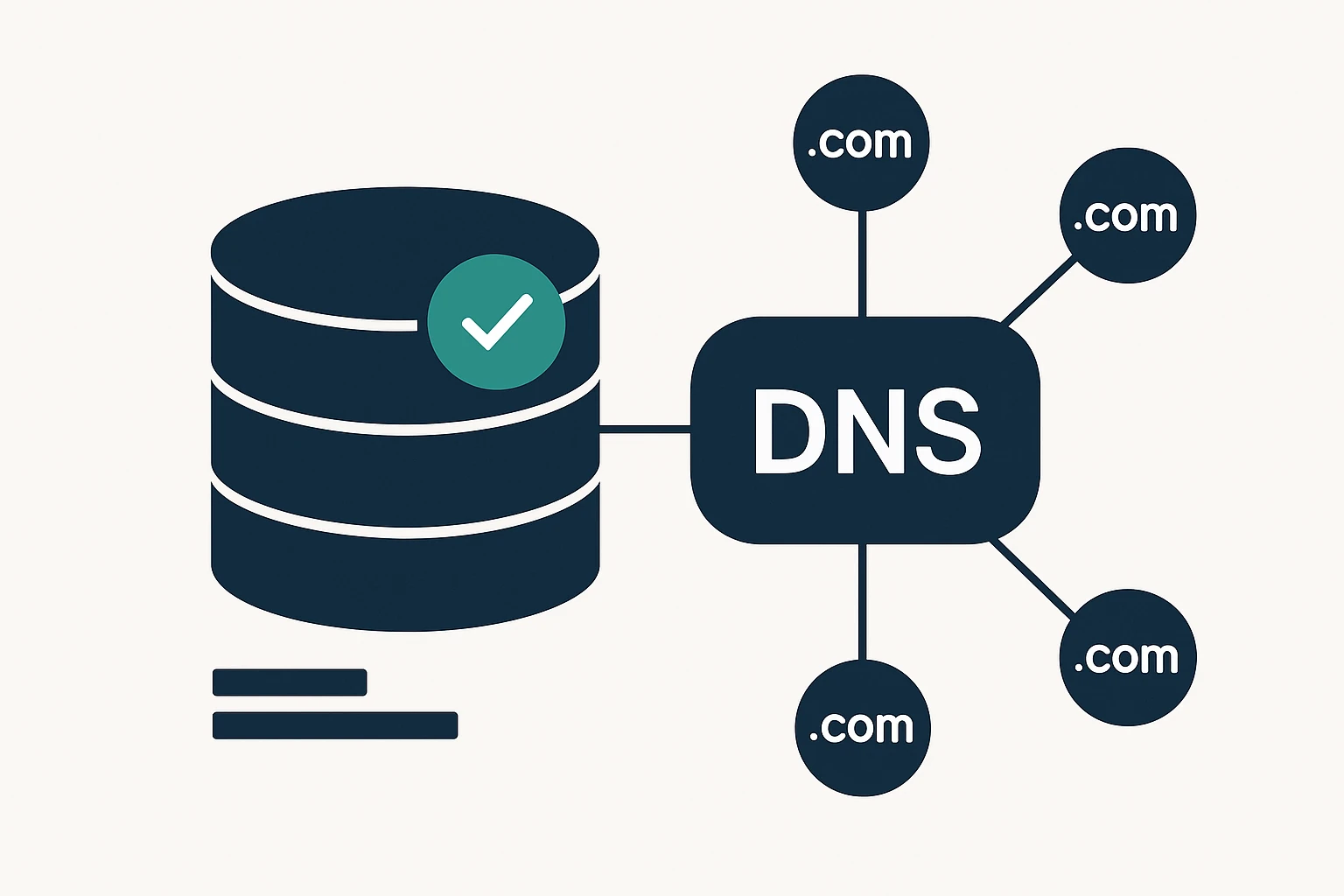
Effective authoritative DNS setup begins with a precise mapping of your country and ccTLD domains to dedicated zones. A clean separation of zones by geography allows for targeted policy enforcement, regional caching strategies, and faster response times for local users. It also simplifies delegation for regional teams and helps with compliance, logging, and incident response. When you publish a country website list, you should be ready to articulate which teams control which zones, what DNSSEC keys are active, and how changes propagate across the global network.
Several enterprises pair this approach with a secondary, cloud-delivered DNS layer to provide a global authority stack that can quickly adapt to outages or traffic shifts. As a result, an authoritative DNS design that mirrors your country footprint becomes a living map - one that teams can audit, monitor, and evolve.
Anycast: delivering consistent performance across national boundaries
Anycast DNS has become a mainstream pattern for enterprise-grade resilience. The core idea is simple: multiple servers share the same IP address, and the network routes the query to the nearest healthy instance. This not only reduces latency but also provides robust protection against regional incidents, since even if one node becomes unreachable, others continue to serve traffic. For national-scale deployments, Anycast can be extended to serve region-specific populations while preserving a unified global presence. CIRA’s Anycast DNS overview highlights how this approach improves resilience and performance by leveraging distributed peering and IXPs. (cira.ca)
When evaluating Anycast, consider how you will handle routing policy, DDoS protection, and the governance of anycast-enabled zones across multiple jurisdictions. A well-tuned Anycast deployment works in concert with authoritative DNS and DNSSEC, creating a fast, secure, and auditable delivery path for country websites.
DNSSEC and the integrity of country zones
DNSSEC provides cryptographic guarantees that the data you retrieve from DNS is authentic and has not been tampered with en route. Deploying DNSSEC across your zones - including ccTLDs where feasible - adds a critical layer of trust for users and partners. In late 2020, ICANN announced that DNSSEC had been deployed across all current gTLDs, marking a major milestone for the ecosystem and validating the enterprise value of signing DNS data at scale. For organizations operating country footprints, DNSSEC signing becomes part of a broader strategy to protect the entire resolution path, from root to authoritative answers. (icann.org)
Implementation challenges remain, including key management, rollover planning, and validating chain-of-trust across different registries. Practical guidance emphasizes a staged approach with test signing, monitoring of validation failures, and clear rollback procedures to avoid unintentional outages. ICANN’s DNSSEC resources and whitepapers provide a solid reference baseline for teams that are maturing their DNS security program. (icann.org)
Practical framework: building your country website list and DNS deployment in parallel
To translate the concept of a country website list into a live DNS program, consider the following framework. It is designed to be actionable, auditable, and adaptable to multi-cloud environments while keeping integration points with a domain directory service in mind. The steps below are presented as a compact, reusable framework you can apply across teams and regions.
- Step 1 - Define country coverage and mapping
- Inventory all domains and subdomains used for country-specific experiences (including ccTLDs and IDN variants).
- Create a living map that links each country to its authoritative DNS zone, the preferred resolver path, and the responsible team.
- Incorporate governance and compliance requirements by country, including data residency and logging expectations.
- Step 2 - Architect the DNS delivery stack
- Decide on the mix of authoritative DNS servers and a global/ regional secondary (or cloud-based) layer to ensure failover coverage.
- Plan an Anycast topology to reduce latency and improve resilience against regional outages.
- Integrate DNSSEC where feasible, with careful key management and signing schedules.
- Step 3 - Implement monitoring, logging, and incident response
- Establish centralized visibility for DNS query latency, zone transfer behavior, and DNSSEC validation status across regions.
- Set up anomaly detection to identify irregular query patterns that could indicate reflecting attacks or misconfigurations.
- Document runbooks for common incidents, including staged rollbacks and traffic steering tests to minimize impact.
- Step 4 - Align operations with governance and vendor strategy
- Map responsibilities to internal teams and coordinate with external DNS providers where relevant.
- Ensure documentation, audits, and reporting align with SOC 2, ISO, and other compliance expectations where applicable.
- Regularly review the cost model, latency goals, and security controls to keep the DNS program efficient and effective.
In practice, teams that pair this framework with a country-domain directory (such as Webatla's country-domain directory) can streamline the process of mapping country coverage to DNS resources and governance obligations. The same resource can also help teams discover country-specific domains and TLDs, which can then be incorporated into the authoritative DNS plan. For those evaluating broader domain lists by TLD or country, Webatla’s TLD directory serves as a useful enrichment to the country map.
Operational considerations: where cloud DNS fits into the plan
Enterprise DNS rarely lives in a single environment. A resilient approach typically blends on-premises, cloud, and managed services to meet performance, reliability, and compliance objectives. Cloud-native DNS architectures provide elastic capacity and global reach, which can be a natural fit for a country-oriented site portfolio. Several leading providers describe their multi-cloud DNS architectures as enabling faster failover and easier integration with modern, distributed applications. For example, cloud DNS services emphasize global resilience and secure failover across multi-cloud environments. Route 53 Global Resolver illustrates how integrated security features can align with an anycast mindset and DNSSEC considerations. (aws.amazon.com)
When adopting cloud-based DNS, align the architecture with regional privacy and data-residency requirements, and ensure that logging and monitoring meet your compliance standards. A modern approach also involves a layered deployment: primary authoritative zones that reflect your country map, complemented by a global DNS service that provides rapid, secure resolution for cross-border traffic.
Limitations, trade-offs, and common mistakes
No architecture is perfect at first deployment. Here are the most common missteps and how to mitigate them:
- Rushing DNSSEC implementation: DNSSEC brings strong security, but mismanaged key rollover can cause validation failures. Implement a staged rollout, with test signing, monitoring, and clear rollback procedures to minimize disruption. ICANN provides foundational guidance on DNSSEC deployment and usage to avoid missteps. (icann.org)
- Over-reliance on a single provider or region: A single-video failure can become a single point of failure for global users. The value of Anycast is in its distribution, design for diversified paths and regional failover while ensuring consistent policy enforcement across zones. Industry guidance and vendor documentation emphasize the resilience benefits of distributed DNS architectures. (cira.ca)
- Underestimating governance and policy alignment: ccTLD policies, IDN considerations, and cross-border data governance require a coordinated approach across security, legal, and IT teams. ICANN’s ccTLD resources and related governance materials highlight the importance of structured policy dialogue and accountability. (ccnso.icann.org)
- Inadequate observability and incident response: Without centralized monitoring, it’s difficult to detect latency anomalies or DNSSEC validation failures in real time. A mature DNS program pairs monitoring with runbooks and frequent drills to validate response under stress. Industry and national DNS programs emphasize the need for resilient, observable infrastructure. (cira.ca)
Putting it all together: a practical path forward
As you map your country website list to a DNS delivery strategy, keep the following principles in view:
- Ground your plan in a clearly defined country coverage map that ties each country to its DNS authority and governance posture.
- Build an authoritative DNS stack that supports regional presence, with a cloud-backed secondary layer for global resilience.
- Adopt Anycast to minimize latency and maximize failover capabilities across borders.
- Incorporate DNSSEC and robust visibility to protect data integrity and enable auditable trust for all country zones.
- Synchronize with legal, regulatory, and privacy requirements to maintain compliance across jurisdictions.
If you’re evaluating how to curate a country-based website list and align it with a scalable DNS program, consider using a directory like Webatla’s country pages as a planning reference, then translate that map into an operational DNS architecture that can withstand cross-border traffic and regional outages. The combination of a country-aware directory and a resilient DNS platform is what enables truly fast, reliable experiences for users wherever they are.
Conclusion: a practical blueprint for enterprise-scale country website lists and DNS
Global brands must treat the country website list not as a static catalog but as a dynamic map that informs DNS strategy, security posture, and governance. By combining authoritative DNS architecture, Anycast delivery, DNSSEC protection, and cloud-native resilience, you can deliver fast, secure, and compliant user experiences across countries. The governance landscape - guided by bodies like ICANN and ccTLD operators - reinforces the importance of a structured, auditable approach to DNS at scale. As you mature this program, you’ll find that the most impactful gains come from clarity in ownership, disciplined change management, and continuous measurement of performance and security across geographies. For teams pursuing this path, the country-domain directory and TLD directory provided by Webatla can function as critical planning artifacts and enrichment sources as you build a robust DNS program that scales with your global ambitions.