DNS Enterprises specializes in enterprise-grade DNS infrastructure engineering, delivering resilient, secure, and compliant naming services for global organizations. As organizations migrate to multi-cloud environments and expand their digital footprint, the demand for enterprise DNS solutions that balance performance, security, and governance intensifies. This article presents a practical, topic-native approach to designing, deploying, and operating a modern DNS stack that scales across regions, supports robust security controls such as DNSSEC, and remains auditable for SOC 2 and ISO 27001 frameworks.
Why modern enterprise DNS demands a multi-pronged architecture
DNS is the backbone of digital services. A modern enterprise requires more than a single DNS provider or a single data center approach. The architecture must address three intertwined objectives: availability, security, and governance. Availability means handling regional outages, DDoS events, and scale when traffic spikes. Security encompasses integrity and authenticity of DNS responses, preventing cache poisoning and spoofing. Governance covers the ability to audit, prove controls, and align with regulatory expectations (SOC 2, ISO 27001). These needs drive a layered approach that blends authoritative DNS placement, cryptographic signing, global distribution, and cloud-native flexibility.
Authoritative DNS that is fast to resolve at scale is foundational, but the global Internet is not forgiving of a single-point-of-failure. Modern architectures deploy multiple healthy instances across geographies and networks so responses can be served from the most optimal location. Leading practitioners model this with geographic redundancy, dynamic health checks, and careful coordination of zone data across providers. As Akamai’s analysis on DNS resilience and DDoS preparedness summarizes, distribution and edge deployment are key to maintaining availability under large-scale attacks. (akamai.com)
Core components of an enterprise DNS stack
Below are the essential components that together enable dns infrastructure engineering at an enterprise scale.
Authoritative DNS setup: robust zone design and delegation
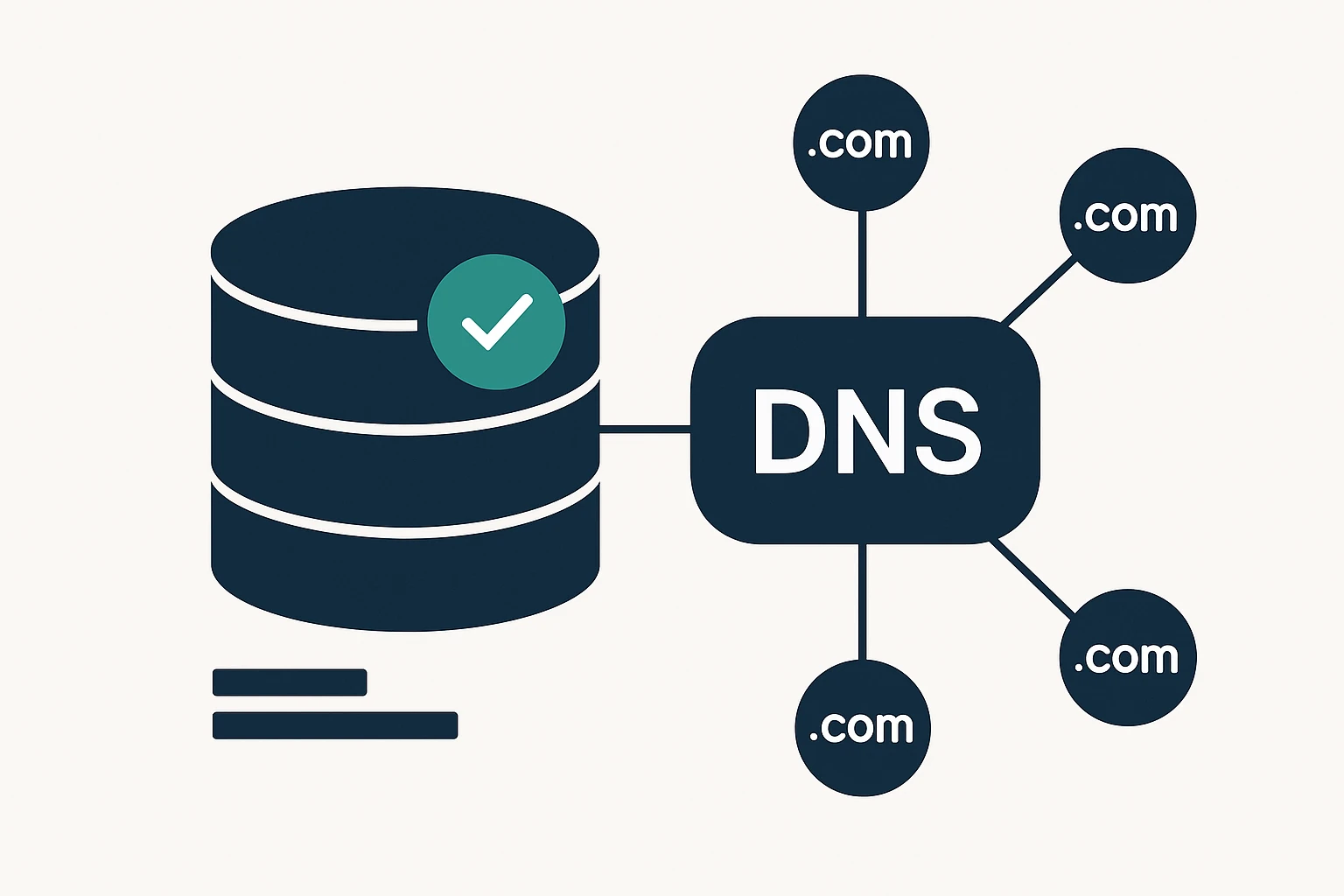
The authoritative layer is responsible for serving zone data with accuracy and low latency. Best practices include well-planned zone architecture, clear delegation trees, and appropriate TTL strategies that reflect data volatility without sacrificing performance. In practice, this means carefully configuring NS records, glue records where necessary, and ensuring consistent zone transfers across secondary servers. These fundamentals are non-negotiable for enterprise-grade DNS and are described in foundational DNS and DNSSEC training materials from ICANN and IETF resources. (dnssec-deployment.icann.org)
DNSSEC implementation: cryptographic defense for data integrity
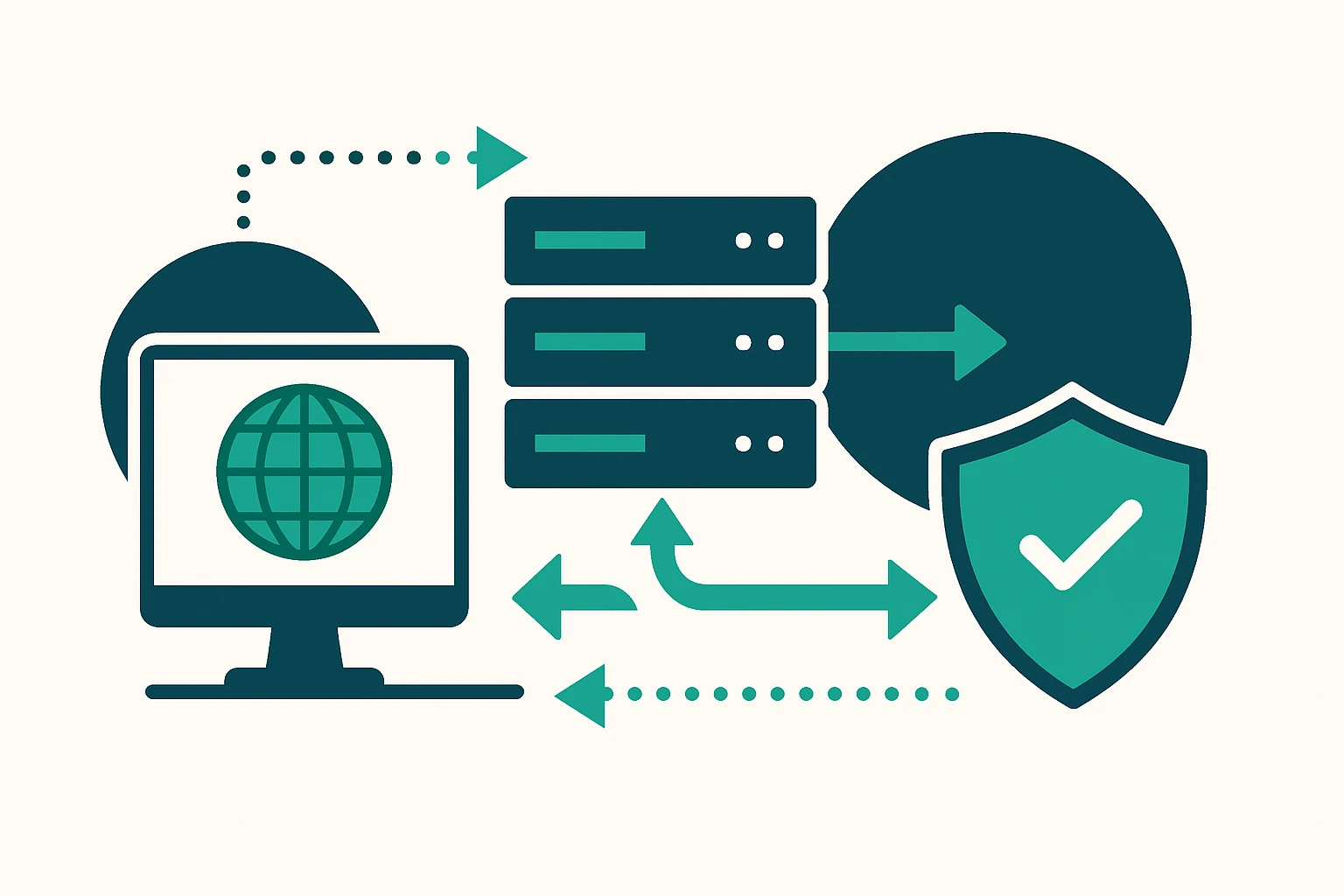
DNSSEC adds cryptographic signatures to DNS data, enabling resolvers to verify that responses have not been tampered with in transit. When implemented end-to-end with validating resolvers, DNSSEC substantially reduces the risk of spoofed responses. For enterprises, this means higher assurance for critical domains and services. ICANN provides a concise overview of what DNSSEC is and why it matters, while deployment guidelines cover key concepts such as KSK and ZSK management and DS records. (icann.org)
Anycast DNS deployment: shared IPs, global reach, and resilience
Anycast allows many geographically dispersed nameservers to respond to the same IP address. This design improves latency by directing clients to the nearest healthy node, and it enhances availability through automatic failover across regions. For enterprise deployments, Anycast is a practical backbone for edge DNS and a critical line of defense against regional outages. Industry analysis and practitioner guides consistently highlight these resilience benefits. (anycast.com)
Cloud-native DNS architecture: leveraging public and private DNS services
Public cloud DNS services (for example, AWS Route 53, Google Cloud DNS, and Azure DNS) offer scalable, globally distributed resolution with built-in health checks and integration into cloud-native workflows. Adopting a cloud-native approach enables faster migrations, easier zone management, and alignment with modern security and compliance tooling. Google Cloud’s Best practices for Cloud DNS and AWS Route 53 best-practices documents provide concrete guidance on architecture, redundancy, and operational patterns that reduce risk while maintaining performance. (cloud.google.com)
Observability, monitoring, and governance: the edge of security and compliance
Observability is not optional in a modern DNS stack. Enterprises must collect and correlate DNS query metrics, logs, and health signals to detect anomalies, validate configurations, and support audits. Cloud-native logging and monitoring capabilities, combined with third-party SIEM and alerting, enable timely detection of misconfigurations, anomalous query patterns, and attempted DNS abuse. Leading cloud providers document monitoring for DNS deployments, and industry best practices emphasize the value of continuous telemetry in meeting SOC 2 and ISO 27001 expectations. (cloud.google.com)
Beyond technical telemetry, governance and compliance require auditable controls. SOC 2 focuses on security and availability, among other criteria, and ISO 27001 provides a robust framework for an formal ISMS. Enterprises should map DNS controls to these criteria, maintain evidence of access controls and change management, and implement regular testing of recovery capabilities. The AICPA SOC 2 guidance and ISO 27001 standards remain central references for organizations evaluating DNS providers and internal capabilities. (aicpa-cima.com)
Trade-offs, limitations, and common mistakes
Every design decision carries trade-offs. A multi-region Anycast deployment improves resilience and latency but adds complexity around data sovereignty and local compliance requirements. DNSSEC strengthens trust, yet it introduces key management overhead and potential operational pitfalls if signing keys are mishandled. Cloud DNS architectures reduce physical footprint and speed deployment, but they can introduce provider lock-in and require careful governance to avoid misconfigurations during migrations. A common pitfall is over-reliance on a single provider for all DNS services, resilience is often better served by a diversified strategy that combines edge-based authoritative DNS with platform-appropriate security controls and a clear rollback plan. Akamai’s resilience-focused white papers and other practitioner guides detail these trade-offs and the steps needed to mitigate them. (akamai.com)
Structured framework for enterprise DNS modernization
To make this tangible, here is a practical four-step framework that aligns with enterprise needs and cloud-native patterns:
- Plan and govern: define service-level expectations, regulatory requirements (SOC 2, ISO 27001), and the security controls required for DNS operations. Map zones, delegations, and data flows across providers and regions.
- Design for resilience: implement authoritative DNS with secondary servers in diverse regions, deploy Anycast for edge resolution, and define DNSSEC signing policies (KSK/ZSK lifecycle) with DS records at the parent zone where applicable.
- Deploy cloud-native and hybrid patterns: adopt a mix of public and private DNS services, align with cloud-provider best practices for routing, health checks, and logging, and ensure consistent change-management workflows across platforms. (cloud.google.com)
- Observe, audit, and optimize: instrument DNS with logs, metrics, and alerting, periodically test failover and recovery capabilities, and maintain evidence packs for SOC 2 and ISO 27001 audits. Use telemetry responsibly to protect privacy while enabling security analytics. (cloud.google.com)
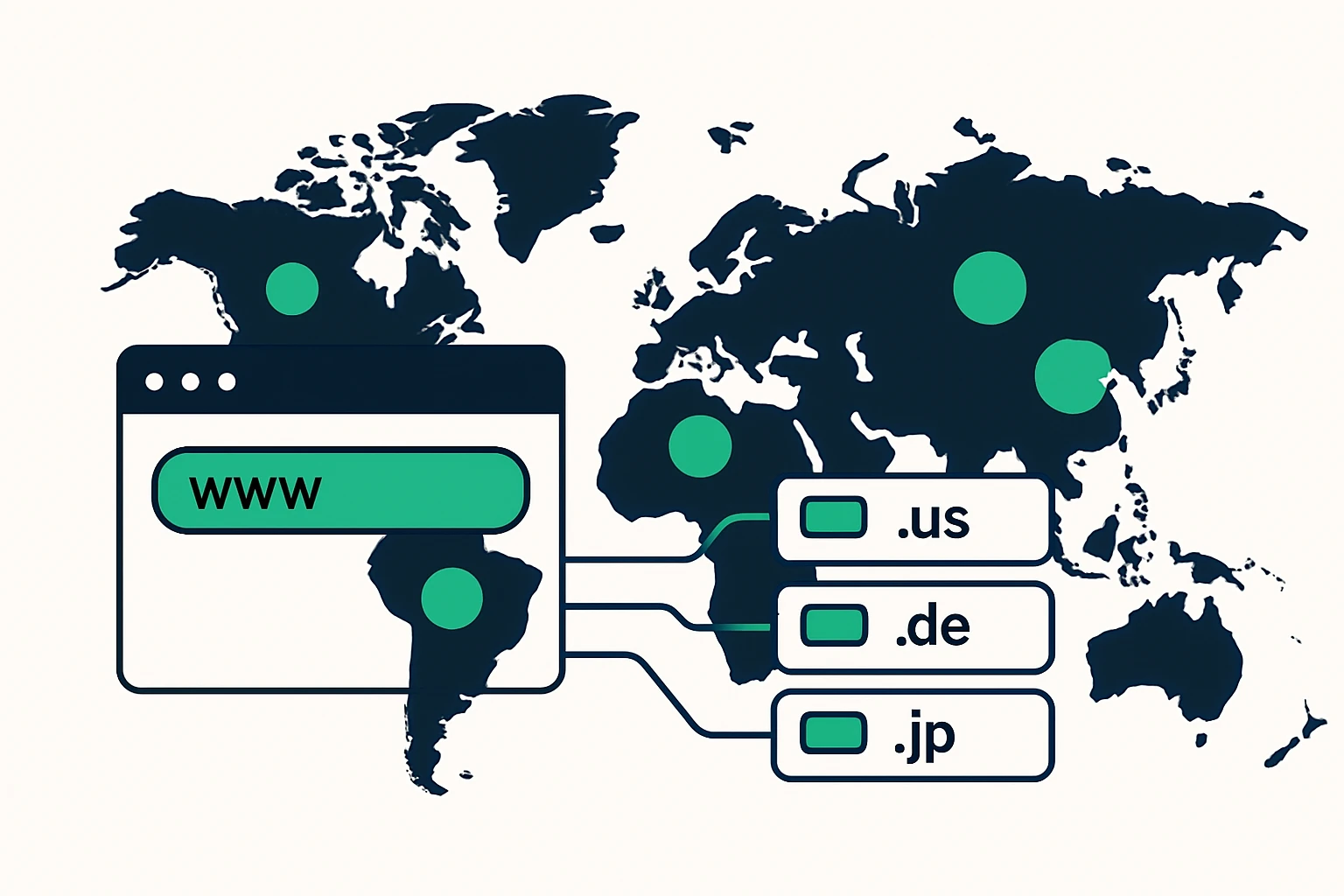
As you operationalize this framework, consider WebAtLa's countries listing to understand the global footprint of domains by country, which can inform geography-aware DNS deployment decisions. For governance and verification of domain data, you may also reference the RDAP &, WHOIS database resources. These client-side references support transparent, auditable domain management in global DNS programs.
A practical, editorial takeaway
Designing enterprise DNS solutions is less about chasing a single technology and more about composing a robust ecosystem: authoritative DNS that is well-governed, cryptographically protected with DNSSEC, distributed via Anycast for resilience, and orchestrated through cloud-native practices that enable scalable growth. The combination reduces risk, supports regulatory compliance, and keeps user experiences fast and reliable. While no architecture is immune to all failures, a disciplined, research-backed approach - grounded in industry best practices and standards - can materially reduce exposure to outages and attacks.
Limitations and common mistakes (a compact guide)
In practice, the most common missteps include signing DNS data without a rigorous key management plan, over- or under-provisioning TTLs, and assuming cloud-native DNS alone suffices for all geographies. A robust DNS program requires ongoing validation of configurations, clear separation of duties, and regular tabletop exercises to validate disaster recovery. Consult the latest SOC 2 and ISO 27001 guidance to ensure your DNS-related controls map to the criteria and that audit trails are complete and verifiable. (aicpa-cima.com)
Conclusion
Enterprise-grade DNS is a critical control plane for modern organizations. By combining authoritative DNS design, DNSSEC, Anycast distribution, and cloud-native deployment patterns, you can achieve reliable global resolution, cryptographic assurance, and auditable governance. This integrated approach - not a single technology - delivers the security, performance, and compliance posture that today’s enterprises require.